

Fats have been demonized for the last 40 years or more. And yet Americans are more overweight and more prone to chronic disease than ever before.
Fats got a bad reputation in the late 1950’s when Ancel Keys proposed there was a direct relationship between the amount of saturated fat and cholesterol in the diet and the incidence of coronary heart disease. This gave rise to endless promotions by the vegetable oil and food processing industries who had never advertised very much before this.
New-fangled fats began to appear on grocery store shelves: corn oil, safflower oil, sunflower oil, margarine, shortenings, Crisco, "partially hydrogenated" and "hydrogenated" oils. These new products were processed, heated to extract the oil and to preserve shelf life. The process of heating oil alters its qualities for the worse, transforming vegetable oils from the healthy cis- configuration, to the unhealthy and stiffer trans- configuration. Additionally, residual chemicals are left in the oils from heating and bleaching. Most of the processed oils are high in omega-6 fatty acids, and contribute to an unhealthy imbalance between omega-6 and omega-3.
The fat-free "Pritikin diet" became popular for a time. Unfortunately those who possessed enough will-power to forgo fats for any length of time developed a variety of health problems including low energy, weight gain, difficulty in concentration, depression, and mineral deficiencies.[1]
Today heart disease causes at least 40% of all US deaths. If, as we were told, heart disease results from the consumption of saturated fats, one would expect to find a corresponding increase in animal fat in the American diet. Actually, the reverse is true. During the sixty-year period from 1910 to 1970, the proportion of traditional animal fat consumed in the American diet declined from 83% to 62%, and butter consumption plummeted from eighteen pounds per person per year to four. During the past eighty years, dietary cholesterol intake has increased only 1%. During the same period the percentage of dietary vegetable oils in the form of margarine, shortening and refined oils increased about 400% while the consumption of sugar and processed foods increased about 60%.[2]
FLAWED DATA
Slowly, the mainstream media is starting to catch on. In December, 2007, MSMBC posted an article describing how Ancel Keys’ flawed study ended up being promoted by the American Heart Association. The data Keys and others disseminated was far from rock solid. As the article points out, “We’ve spent billions of our tax dollars trying to prove the diet-heart hypothesis. Yet study after study has failed to provide definitive evidence that saturated-fat intake leads to heart disease.” [3]
In 1977, Congress made it government policy to recommend a low-fat diet, based primarily on the opinions of health experts who bought into the flawed data. How does that kind of thing happen?
Dariush Mozaffarian, Ph.D., an assistant professor at Harvard’s School of Public Health, says, “In the nutrition field, it’s very difficult to get something published that goes against established dogma. The dogma says that saturated fat is harmful.”
Kudos to MSNBC for going against the dogma. If we could add something else to their article, it would be to note the important difference between grass-fed and so-called factory farmed beef.
Those who blame beef for health problems overlook the implications of feeding of grain - an unnatural diet - to the animals we eat. White saturated fat develops when cattle are fed grain. You could say saturated fat is a modern man-made creation.
So, too, is a high cholesterol level. Animals fed grain experience a dramatic reduction of omega-3 fatty acids. When we in turn eat grain-fed beef, we don’t get much good omega-3 fatty acids. Foods high in omega-6 fatty acids or arachidonic acid, like farm-raised salmon or commercially raised beef, irritate the lining of blood vessels. This triggers an inflammation response and the body dispatches white blood cells and cholesterol to the scene like so many ambulances to a multi-car pile-up on the highway.
GOOD FATS ARE GOOD FOODS
Until the last few decade, mankind did not eat margarine, soy oil, hydrogenated shortening or any of the new-fangled fats that were promoted as” heart healthy.” As MSNBC pointed out, the Masai in Africa are an extremely healthy population, vitually free of heart disease. Yet their diet is extremely rich in cholesterol and saturated fat. [4]
Think for a moment: In the last 40 years that fats have been demonized, have Americans lost weight? No. We weigh more than ever.
Truth of the matter is, fats are our friends.[5] When we eat fats, we get a feeling of fullness and thus we don’t overeat. Fats also slow down absorption of food so that we can go longer without feeling hungry.
Fats from animal and vegetable sources:
- cleanse and lubricate the body
- enhance the immune system
- provide a concentrated source of energy
- allow us to feel full and not overeat
- provide the building blocks for cell membranes and a variety of hormones and hormone-like substances
- act as carriers for important fat-soluble vitamins A, D, E and K
Even the very conservative Wall Street Journal in 2006 reported the results of recent studies that found we must eat fat when we eat vegetables, or we cannot utilize the vitamins and minerals in the veggies. [6,7,8] So slather that (organic) butter on that broccoli.
For centuries, mankind ingested primarily animal fats (fish oil, butter, lard) and tropical oils (coconut and palm). Up until the 1950s just about every American adult and child took cod liver oil daily.
And with good reason.
Oils and fats are turned into fatty acids by the body. Of all the fatty acids, two are “essential” because we need them to live, yet our bodies cannot manufacture them from the fats we eat. Like vitamin C, we need to get essential fatty acids (EFAs) every day from the food we eat.
|
Best fats and oils:
• Fermented fish oil • Organic or raw butter • Unrefined coconut oil • Unrefined or “cold-pressed” olive oil • Chicken, goose, and duck fat • Beef and lamb tallow • Lard (if you can get it without BHT) • Flax seed oilBetter but: • Unrefined palm and sesame oil • Unrefined peanut oil • Unrefined corn, soy, sunflower or safflower oils These oils are overabundant in the typical diet, which explains our excess omega-6 levelsAvoid like the plague: • Margarine and shortening • Anything “partially hydrogenated” or “hydrogenated” • All conventional grocery store oils that have been heated/refined to preserve shelf life and “look good” |
There are two key types of fatty acids: omega-3 and omega-6. They are the “essential” fatty acids because if the body has these two, it can manufacture the others required.
The ratio of omega-3 to omega-6 has been shifting over the years. Our ancestors had a diet that gave them about equal proportions of both. Today however, our diets typically give us 20 times more omega-6 than omega-3, and this imbalance is not healthy. Today's diets contain a large amount of salad dressings and processed foods made with vegetable oils, and these provide an overdose of omega-6 fatty acids. Not only that, but the grains and other food products which used to contain high levels of omega-3 fatty acids have been bred to decrease the omega-3 levels, because omega-3 oils go rancid very quickly. Grains with more omega-6 oils have a longer shelf life. That's good for the food industry, but not so good for human health.
There are different kinds of fats - trans-fats, saturated fats, polyunsaturated fats, and monounsaturated fats - but let's simplify the issue.
All fats and oils, whether of vegetable or animal origin, are some combination of saturated fatty acids, monounsaturated fatty acids and polyunsaturated fatty acids manufactured from linoleic acid (omega-6) and alpha-linolenic acid (omega-3).
TRANS FATS
About 1900, most of the fatty acids we ate were either saturated or monounsaturated, primarily from butter, lard, tallow, coconut oil and small amounts of olive oil. Today most of the fats we eat are polyunsaturated from vegetable oils derived mostly from soy, corn, safflower and canola. When these oils are heated, their configuration changes from the cis form to the trans form. So what?
The cis form of fatty acids has all the dangling chemical groups on one side of the carbon backbone, so this configuration is very flexible. It makes for great cell membranes.
The trans form, on the other hand, has the dangling chemical groups on both sides of the carbon backbone. It is extremely inflexible - good to maintain the structure of the cell wall, kind of like rebar, but not good if you want a flexible and functional cell membrane.
|
SALAD OIL SLIP UP:
Almost every salad you eat out will be served with a vegetable oil based dressing. This is bad news; it will throw off your omega3 / omega 6 balance. But you can bring your own. Here's how.3 quick and easy salad dressings:1) 3 parts unfiltered olive oil, and one part balsamic vinegar, plus a dab of mustard. You can carry this to restaurants in a small container like a prescription bottle or 35-mm film canister. If you find the balsamic vinegar too strong, use less and make up the difference with unfiltered apple cider vinegar. 2) Mash one-half an avocado with the juice from one-half lemon, plus a dash of salt and pepper or Spike. 3) Blend avocado, tomatoes, and red bell peppers together with a dash of honey and salt. |
Excess consumption of trans fatty acids has been shown to contribute to increased cancer and heart disease; immune system dysfunction; damage to the liver, reproductive organs and lungs; digestive disorders; depressed learning ability; impaired growth; and weight gain.[9]
Trans fatty acids are so devastating because they cause cell membranes and red blood cells to become stiff and cause poor elimination of waste products by the cell, resulting in damage to DNA/RNA strands, thus triggering mutations in tissue, blood vessels and skin. Free radical damage to the skin causes wrinkles and premature aging, free radical damage to the tissues and organs sets the stage for tumors, and free radical damage in the blood vessels initiates the buildup of plaque.
Omega-3 fatty acids are the "Cadillac" oils because of their ability to reduce inflammation, increase blood flow, and feed the brain which regulates the body. This is why fish oil is so important.
Fish oils are rich in omega-3. It is interesting to note that the evolution of mankind made a giant leap forward when we began to eat fish from the sea. The human brain began to reason, to think beyond the immediate moment.
Fish oils reduce the risk of sudden cardiac death [10], at least in those who consume at least 2 servings of fish per week.[11] They have been shown to stabilize cell membranes when infused intravenously in dogs.[12] It appears that the Omega-3 (n-3) fatty acids alter the conduction of membrane sodium and potassium channels, by decreasing their excitability, thus stabilizing the electrical activity of the cell membranes. This effect has also been observed with nerve cells.[13] Fatty acids are able to suppress abnormal and premature heart beats, thus reducing the risk of ventricular fibrillation.[14] N-3 fatty acids improve walking distance and pain in patients with claudication[15] (pain which occurs when walking, caused by clogged blood vessels).
Lack of the omega-3 fatty acids found in fish oils is related to behavioral problems[16], loss of brain performance[17], neurologic abnormalities[18], attention deficit hyperactivity disorder (AD/HD)[19], depression[20], cholesterol levels[21], bone strength[22], sleep[23], dementia[24], visual and brain development[25], allergic responses[26], liver damage[27] and even affects serotonin in the brain.[28]
GOOD FAT IS GOOD FOR THE GUT AND BRAIN
A high intake of fish or fish oil has been linked to a significant decrease in age-related memory loss and cognitive function impairment and a lower risk of developing Alzheimer’s disease.
There’s more:
• Researchers at Harvard Medical School have successfully used fish oil supplementation to treat bipolar disorder (manic-depressive illness) and British researchers report encouraging results in the treatment of schizophrenia.
• Researchers at the University of Sydney have found that children who regularly eat fresh, oily fish have a four times lower risk of developing asthma than do children who rarely eat such fish.
• An Italian study of 11,000 heart attack survivors found that patients supplementing with fish oils markedly reduced their risk of another heart attack, a stroke or death.
Studies support the use of the anti-inflammatory effects of EPA and DHA for treatment and prevention of common disorders such as:
- rheumatoid arthritis and Crohn’s disease
- arrythmias, coronary heart disease and stroke
- AD/HD and autism
- breast, prostate and colon cancer
- atopic dermatitis
- diabetes
- asthma
- regulation of triglyceride and cholesterol levels and prevention of atherosclerosis
- human growth and development
- mood disorders, depression and dementia
One final reason fats and oils are so important: they are responsible for proper cell reproduction in the intestinal tract. Every 4 days the lining of the intestinal tract completely renews itself. Seventy-five percent of the body’s immune system activity comes from the gut. Since the gut is the stronghold of the body’s immune system, and a strong immune system is the best protection against disease, it pays to feed the gut well.
Cod liver oils and fish oils are not the same. Cod liver oil is extracted from the liver and is higher in vitamins A and D than fish oil. Vitamin D is concentrated in the liver of the fish. Cod liver oil also contains EPA and DHA, both omega-3 essential fatty acids.
Fish oils are extracted from the flesh of fatty fish like salmon and herring and are good sources of EPA and DHA. Fish oils contain very little vitamin A and D.
The processing and packaging of the fish oils are crucial in determining its quality. Consumer beware: less reputable products on the market can contain significant amounts of mercury, pesticides, and undesirable oxidation products. Look for fish oils that are fermented.
DEMONIZING COCONUT OIL AND BUTTER
In the United States, coconut oil got a bad rap four decades ago when researchers fed animals hydrogenated coconut oil. These animals naturally became essential fatty acid deficient; their serum cholesterol levels increased. The resulting headlines were to the effect that coconut oil was bad for you because it raised your cholesterol. The accurate story would have been that diets that cause an EFA deficiency always produce an increase in serum cholesterol levels.
Coconut oil is antimicrobial and has been a mainstay in the food supply in many countries in parts of Asia and the Pacific Rim for centuries. This gave the populations a steady supply of lauric acid, which is anti-viral. A form of lauric acid is found naturally in human breast milk and helps to keep infants from being infected by viruses and bacteria. Lauric acid is especially important for immune-suppressed individuals.
Natural coconut oil is one of the few oils that can withstand the heat of cooking. It is also anti-viral. "Omega Nutrition" brand makes an organic coconut oil that does not impart a coconut taste to foods and can be used for cooking and baking. (See http://www.omeganutrition.com/products-gourmet-coconut.php)
Like coconut oil, butter also got a bum rap. Heart disease was rare in America at the turn of the 20th century. Between 1920 and 1960, the incidence of heart disease rose to become America’s number one killer. During the same period butter consumption plummeted from eighteen pounds per person per year to four while margarine - a tub of lethal fatty acids - was touted as healthier.
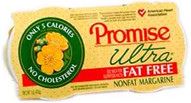
11/7/96: One of the largest marketers of margarines and spreads in the USA signed an agreement with the Federal Trade Commission to settle charges over a national advertising campaign for Promise margarine that focused on consumers’ heart health concerns.”The evidence just doesn’t support the absolute, unqualified healthy-heart claim we found in the Promise ads because of the high fat levels in the products,” said Jodie Bernstein, Director of the FTC’s Bureau of Consumer Protection.The FTC challenged several commercials and print ads because they conveyed one or more of the following claims: that eating the product helps reduce the risk of heart disease; that these products are low in total fat; and that Promise spread is low in saturated fat. But the evidence was not adequate to support the absolute and unqualified heart disease claim, the FTC said. |
Butter contains many nutrients that protect us from heart disease. For starters, it has a number of anti-oxidants that protect against the kind of free radical damage that weakens the arteries. Butter has vitamin A which is needed for the health of the thyroid and adrenal glands, both of which play a role in maintaining the proper functioning of the heart and cardiovascular system. Abnormalities of the heart and larger blood vessels occur in babies born to vitamin A deficient mothers. Butter is the most easily absorbed source of vitamin A.[29]
Butter is a good source of iodine, in highly absorbable form. Butter consumption prevents goiter in mountainous areas where seafood is not available. The vitamin A in butter is essential for proper functioning of the thyroid gland.[30]
It doesn’t stop there. Butter also contains:
• lecithin, a substance that assists in the proper assimilation and metabolism of cholesterol and other fat constituents.
• butyrin, a precursor for the fuel used by intestinal cells for their normal functioning.
• selenium, a vital anti-oxidant - butter contains more selenium per gram than herring or wheat germ.
• short and medium chain fatty acid chains that have strong anti-tumor effects.[31] • conjugated linoleic acid which gives excellent protection against cancer.[32]Butter is the best of the saturated fats. Clarified butter can also withstand the heat of cooking.
Raw butter includes naturally occurring lipase, the enzyme that digests fats, as well as vitamins A and D with all their co-factors. Raw butter also contains the Wulzen or “anti-stiffness” factor. Dutch researcher Dr. Rosalind Wulzen found it protects against calcification of the joints - degenerative arthritis - as well as hardening of the arteries, cataracts and calcification of the pineal gland.[33] Unfortunately this substance is destroyed during pasteurization. Calves fed pasteurized milk or skim milk develop joint stiffness and do not thrive. Their symptoms are reversed when raw butterfat is added to the diet.
Cheese is also a saturated fat and is also a good source of protein and calcium. Raw cheeses are best; don't bother with processed commercial cheeses or cheese spreads because they contain too many chemicals. If you can't pronounce the ingredients, they are probably not good for you.
Monounsaturated are the good fats to eat in our diet because in moderation they do not trigger unhealthy hormonal changes or metabolic fluctuations. Cold pressed/unrefined peanut oil is a monounsaturated fat and can withstand the heat of cooking. It is all right to eat in small amounts. Olive oil can withstand some heating. Lard on the other hand can take a lot of heat and can be used for frying (if you can find it without preservatives - you may have to render it yourself to get it without preservatives).
Healthy monounsaturated fats include avocados, peanuts, pistachios, almonds, almond butter, cashews, and macadamia nuts. Avocados are a wonderful food for most people. Avocados naturally contain lipase - the enzyme that digests fats.
At the Arizona Center for Advanced Medicine, we recognize that food is often the missing link in medicine. Our bodies are somewhat like an automobile, designed to run on certain nutrients. If you put bad gas or the wrong grade of gasoline in a car, it sputters. So too does the human body. Most of the chronic diseases people experience today are rooted in the lack of necessary nutrients. Our FirstLine Therapy™ can turn that around. It is a nutrition-based program where we teach you how to change what you eat for the rest of your life. It is not a “diet,” something to be done for a few weeks and then discarded. FirstLine Therapy™ is a hands-on program with lots of education so you can achieve better health for the rest of your life.
“Let your food be your medicine and
your medicine be your food”
Hippocrates, the “father of medicine”
[1] Gittleman, Ann Louise, MS, Beyond Pritikin, Bantam Books, 1980[2] Enig, Mary G., PhD. Trans Fatty Acids in the Food Supply: A Comprehensive Report Covering 60 Years of Research, 2nd Edition, Enig Associates, Inc., 1995, p 4-8.[3] Nina Teicholz, What if bad fat isn’t so bad? No one’s ever proved that saturated fat clogs arteries, causes heart disease. Originally printed in Men’s Health magazine, posted on MSNBC, December 13, 2007, accessed at http://www.msnbc.msn.com/id/22116724 [4] Mann, G V, et al, “Atherosclerosis in the Maasai,” Am J Epidemiol, 1972, 95:26-37 [5] Wood R, Kubena K et al. Effect of butter, mono- and polyunsaturated fatty acid-enriched butter, trans fatty acid margarine, and zero trans fatty acid margarine on serum lipids and lipoproteins in healthy men. J Lipid Res 34:1-11 (1993). [6] Melody Brown, Carotenoid bioavailability is higher from salads ingested with full-fat than with fat-reduced salad dressings as measured with electrochemical detection, American Journal of Clinical Nutrition, August 2004; vol 80: pp 396-403. News release, Iowa State University. [7] Dr. Steven J. Schwartz, Ohio State University Comprehensive Cancer Center, How Can the Metabolomic Response to Lycopene (Exposures, Durations, Intracellular Concentrations) in Humans Be Adequately Evaluated? Journal of Nutrition, August 1, 2005; 135(8): 2040S – 2041S. [8] N. Z. Unlu, T. Bohn, S. K. Clinton, and S. J. Schwartz; Carotenoid Absorption from Salad and Salsa by Humans Is Enhanced by the Addition of Avocado or Avocado Oil, Journal of Nutrition, March 1, 2005; 135(3): 431 – 436. [9] A general review of citations for problems with polyunsaturate consumption is found in Pinckney, Edward R, MD, and Cathey Pinckney, The Cholesterol Controversy, 1973, Sherbourne Press, Los Angeles, 127-131; Research indicating the correlation of polyunsaturates with learning problems is found in Harmon, D, et al, J Am Geriatrics Soc, 1976, 24:1: 292-8; Meerson, Z, et al, Bull Exp Bio Med, 1983, 96:9:70-71;Regarding weight gain, levels of linoleic acid in adipose tissues reflect the amount of linoleic acid in the diet. Valero, et al, Ann NutrMetabolism, Nov/Dec 1990, 34:6:323-327; Felton, C V, et al, Lancet, 1994, 344:1195-96 [10] Raitt MH, Connor WE, et al. Fish Oil Supplementation and Risk of Ventricular Tachycardia and Ventricular Fibrillation in Patients With Implantable Defibrillators JAMA – Vol. 293 No. 23, June 15, 2005. [11] Burr ML, Fehily AM, Gilbert JF et al. Effects of changes in fat, fish, and fibre intakes on death and myocardial reinfarction: Diet And Reinfarction Trial (DART). Lancet 1989; 2: 757-61. [12] Billman GE, Kang JX, Leaf A. Prevention of sudden cardiac death by dietary pure omega-3 polyunsaturated fatty acids in dogs. Circulation 1999; 99: 2452-7. [13] Vreugdenhil M, Breuhl C, Voskuyl RA et al. Polyunsaurated fatty acids modulate sodium and calcium currents in CA1 neurons. Proc Natl Acad Sci USA 1996; 93: 12559-63. [14] Farrell TG, Bashir Y, Cripps T et al. Risk stratification for arrhythmic events in postinfarction patients based on heart rate variability, ambulatory electrocardiographic variables and the signal-averaged electrocardiogram. J Am Coll Cardiol 1991; 18: 687-97. [15] Carrero JJ, Lopez-Huertas E, et al. Daily supplementation with (n-3) PUFAs, oleic acid, folic acid, and vitamins B-6 and E increases pain-free walking distance and improves risk factors in men with peripheral vascular disease. J Nutr. 2005 Jun;135(6):1393-9. [16] Moriguchi T, Greiner RS et al. Behavioral deficits associated with dietary induction of decreased brain docosahexaenoic acid concentration. J Neurochem. 2000 Dec;75(6):2563-73. [17] Salem J, Moriguchi T et al. Alterations in brain function after loss of docosahexaenoate due to dietary restriction of n-3 fatty acids. J Mol Neurosci. 2001 Apr-Jun;16(2-3):299-307. [18] Holman RT, Johnson SB. A case of human linolenic acid deficiency involving neurological abnormalities. Am J Clin Nutr. 1982 Mar;35(3):617-23. [19] Stevens LJ, Zentall SS et al. Essential fatty acid metabolism in boys with attention-deficit hyperactivity disorder. AJCN 62, 761-768, Copyright © 1995. [20] Puri BK, Counsell SJ, et al. Eicosapentaenoic acid in treatment-resistant depression associated with symptom remission, structural brain changes and reduced neuronal phospholipid turnover. Int J Clin Pract. 2001 Oct;55(8):560-3. [21] Mensink RP, Katan MB. Effect of dietary trans fatty acids on high-density and low-density lipoprotein cholesterol levels in healthy subjects. NEJM 323;7"439-445. (August 16, 1990). [22] Korotkova M, Ohlsson C et al. Dietary n-6:n-3 fatty acid ratio in the perinatal period affects bone parameters in adult female rats. Br J Nutr. 2004 Oct;92(4):643-8. [23] Decrease of slow-wave sleep in children with prolonged absence of essential lipids intake. Sleep. 1989 Dec;12(6):495-9. [24] Yehuda S. Rabinovitz S. Essential fatty acids preparation (SR-3) improves Alzheimer’s patients quality of life. Int J Neurosci. 1996 Nov;87(3-4):141-9. [25] Uauy R, Hoffman DR. Essential fatty acids in visual and brain development. Lipids. 2001 Sep;36(9):885-95. [26] Dunstan JA, Mori TA, et al. Fish oil supplementation in pregnancy modifies neonatal allergen-specific immune responses and clinical outcomes in infants at high risk of atopy: a randomized, controlled trial. J Allergy Clin Immunol. 2003 Dec;112(6):1178-84. [27] Alwayn IP, Gura K et al. Omega-3 Fatty Acid Supplementation Prevents Hepatic Steatosis in a Murine Model of Nonalcoholic Fatty Liver Disease. Pediatric Research 57:445-452 (2005). [28] Kodas E, Galineau L et al. Serotoninergic neurotransmission is affected by n-3 polyunsaturated fatty acids in the rat. J Neurochem 89:3:695 (May 2004). [29] Sally Fallon and Mary Enig, Ph.D; Why Butter is Better, Weston A. Price Foundation, 1999 [30] Jennings, IW Vitamins in Endocrine Metabolism, Charles C. Thomas Publisher, Springfield, Ill, pp 41-57 [31] Cohen, L A et al,J Natl Cancer Inst 1986 77:43 [32] Belury, MA Nutrition Reviews, April 1995 53:(4) 83-89 [33] Cohen, L A et al, J Natl Cancer Inst 1986 77:43Fish Oils and Oils, Fats and Trans Fats
Today heart disease causes at least 40% of all US deaths. If, as we were told, heart disease results from the consumption of saturated fats, one would expect to find a corresponding increase in animal fat in the American diet. Actually, the reverse is true. During the sixty-year period from 1910 to 1970, the proportion of traditional animal fat consumed in the American diet declined from 83% to 62%, and butter consumption plummeted from eighteen pounds per person per year to four. During the past eighty years, dietary cholesterol intake has increased only 1%. During the same period the percentage of dietary vegetable oils in the form of margarine, shortening and refined oils increased about 400% while the consumption of sugar and processed foods increased about 60%.[2]
FLAWED DATA
Slowly, the mainstream media is starting to catch on. In December, 2007, MSMBC posted an article describing how Ancel Keys’ flawed study ended up being promoted by the American Heart Association. The data Keys and others disseminated was far from rock solid. As the article points out, “We’ve spent billions of our tax dollars trying to prove the diet-heart hypothesis. Yet study after study has failed to provide definitive evidence that saturated-fat intake leads to heart disease.” [3]
In 1977, Congress made it government policy to recommend a low-fat diet, based primarily on the opinions of health experts who bought into the flawed data. How does that kind of thing happen?
Dariush Mozaffarian, Ph.D., an assistant professor at Harvard’s School of Public Health, says, “In the nutrition field, it’s very difficult to get something published that goes against established dogma. The dogma says that saturated fat is harmful.”
Kudos to MSNBC for going against the dogma. If we could add something else to their article, it would be to note the important difference between grass-fed and so-called factory farmed beef.
Those who blame beef for health problems overlook the implications of feeding of grain - an unnatural diet - to the animals we eat. White saturated fat develops when cattle are fed grain. You could say saturated fat is a modern man-made creation.
So, too, is a high cholesterol level. Animals fed grain experience a dramatic reduction of omega-3 fatty acids. When we in turn eat grain-fed beef, we don’t get much good omega-3 fatty acids. Foods high in omega-6 fatty acids or arachidonic acid, like farm-raised salmon or commercially raised beef, irritate the lining of blood vessels. This triggers an inflammation response and the body dispatches white blood cells and cholesterol to the scene like so many ambulances to a multi-car pile-up on the highway.
GOOD FATS ARE GOOD FOODS
Until the last few decade, mankind did not eat margarine, soy oil, hydrogenated shortening or any of the new-fangled fats that were promoted as” heart healthy.” As MSNBC pointed out, the Masai in Africa are an extremely healthy population, vitually free of heart disease. Yet their diet is extremely rich in cholesterol and saturated fat. [4]
Think for a moment: In the last 40 years that fats have been demonized, have Americans lost weight? No. We weigh more than ever.
Truth of the matter is, fats are our friends.[5] When we eat fats, we get a feeling of fullness and thus we don’t overeat. Fats also slow down absorption of food so that we can go longer without feeling hungry.
Fats from animal and vegetable sources:
- cleanse and lubricate the body
- enhance the immune system
- provide a concentrated source of energy
- allow us to feel full and not overeat
- provide the building blocks for cell membranes and a variety of hormones and hormone-like substances
- act as carriers for important fat-soluble vitamins A, D, E and K
Even the very conservative Wall Street Journal in 2006 reported the results of recent studies that found we must eat fat when we eat vegetables, or we cannot utilize the vitamins and minerals in the veggies. [6,7,8] So slather that (organic) butter on that broccoli.
For centuries, mankind ingested primarily animal fats (fish oil, butter, lard) and tropical oils (coconut and palm). Up until the 1950s just about every American adult and child took cod liver oil daily.
And with good reason.
Oils and fats are turned into fatty acids by the body. Of all the fatty acids, two are “essential” because we need them to live, yet our bodies cannot manufacture them from the fats we eat. Like vitamin C, we need to get essential fatty acids (EFAs) every day from the food we eat.
|
Best fats and oils:
• Fermented fish oil • Organic or raw butter • Unrefined coconut oil • Unrefined or “cold-pressed” olive oil • Chicken, goose, and duck fat • Beef and lamb tallow • Lard (if you can get it without BHT) • Flax seed oilBetter but: • Unrefined palm and sesame oil • Unrefined peanut oil • Unrefined corn, soy, sunflower or safflower oils These oils are overabundant in the typical diet, which explains our excess omega-6 levelsAvoid like the plague: • Margarine and shortening • Anything “partially hydrogenated” or “hydrogenated” • All conventional grocery store oils that have been heated/refined to preserve shelf life and “look good” |
There are two key types of fatty acids: omega-3 and omega-6. They are the “essential” fatty acids because if the body has these two, it can manufacture the others required.
The ratio of omega-3 to omega-6 has been shifting over the years. Our ancestors had a diet that gave them about equal proportions of both. Today however, our diets typically give us 20 times more omega-6 than omega-3, and this imbalance is not healthy. Today's diets contain a large amount of salad dressings and processed foods made with vegetable oils, and these provide an overdose of omega-6 fatty acids. Not only that, but the grains and other food products which used to contain high levels of omega-3 fatty acids have been bred to decrease the omega-3 levels, because omega-3 oils go rancid very quickly. Grains with more omega-6 oils have a longer shelf life. That's good for the food industry, but not so good for human health.
There are different kinds of fats - trans-fats, saturated fats, polyunsaturated fats, and monounsaturated fats - but let's simplify the issue.
All fats and oils, whether of vegetable or animal origin, are some combination of saturated fatty acids, monounsaturated fatty acids and polyunsaturated fatty acids manufactured from linoleic acid (omega-6) and alpha-linolenic acid (omega-3).
TRANS FATS
About 1900, most of the fatty acids we ate were either saturated or monounsaturated, primarily from butter, lard, tallow, coconut oil and small amounts of olive oil. Today most of the fats we eat are polyunsaturated from vegetable oils derived mostly from soy, corn, safflower and canola. When these oils are heated, their configuration changes from the cis form to the trans form. So what?
The cis form of fatty acids has all the dangling chemical groups on one side of the carbon backbone, so this configuration is very flexible. It makes for great cell membranes.
The trans form, on the other hand, has the dangling chemical groups on both sides of the carbon backbone. It is extremely inflexible - good to maintain the structure of the cell wall, kind of like rebar, but not good if you want a flexible and functional cell membrane.
|
SALAD OIL SLIP UP:
Almost every salad you eat out will be served with a vegetable oil based dressing. This is bad news; it will throw off your omega3 / omega 6 balance. But you can bring your own. Here's how.3 quick and easy salad dressings:1) 3 parts unfiltered olive oil, and one part balsamic vinegar, plus a dab of mustard. You can carry this to restaurants in a small container like a prescription bottle or 35-mm film canister. If you find the balsamic vinegar too strong, use less and make up the difference with unfiltered apple cider vinegar. 2) Mash one-half an avocado with the juice from one-half lemon, plus a dash of salt and pepper or Spike. 3) Blend avocado, tomatoes, and red bell peppers together with a dash of honey and salt. |
Excess consumption of trans fatty acids has been shown to contribute to increased cancer and heart disease; immune system dysfunction; damage to the liver, reproductive organs and lungs; digestive disorders; depressed learning ability; impaired growth; and weight gain.[9]
Trans fatty acids are so devastating because they cause cell membranes and red blood cells to become stiff and cause poor elimination of waste products by the cell, resulting in damage to DNA/RNA strands, thus triggering mutations in tissue, blood vessels and skin. Free radical damage to the skin causes wrinkles and premature aging, free radical damage to the tissues and organs sets the stage for tumors, and free radical damage in the blood vessels initiates the buildup of plaque.
Omega-3 fatty acids are the "Cadillac" oils because of their ability to reduce inflammation, increase blood flow, and feed the brain which regulates the body. This is why fish oil is so important.
Fish oils are rich in omega-3. It is interesting to note that the evolution of mankind made a giant leap forward when we began to eat fish from the sea. The human brain began to reason, to think beyond the immediate moment.
Fish oils reduce the risk of sudden cardiac death [10], at least in those who consume at least 2 servings of fish per week.[11] They have been shown to stabilize cell membranes when infused intravenously in dogs.[12] It appears that the Omega-3 (n-3) fatty acids alter the conduction of membrane sodium and potassium channels, by decreasing their excitability, thus stabilizing the electrical activity of the cell membranes. This effect has also been observed with nerve cells.[13] Fatty acids are able to suppress abnormal and premature heart beats, thus reducing the risk of ventricular fibrillation.[14] N-3 fatty acids improve walking distance and pain in patients with claudication[15] (pain which occurs when walking, caused by clogged blood vessels).
Lack of the omega-3 fatty acids found in fish oils is related to behavioral problems[16], loss of brain performance[17], neurologic abnormalities[18], attention deficit hyperactivity disorder (AD/HD)[19], depression[20], cholesterol levels[21], bone strength[22], sleep[23], dementia[24], visual and brain development[25], allergic responses[26], liver damage[27] and even affects serotonin in the brain.[28]
GOOD FAT IS GOOD FOR THE GUT AND BRAIN
A high intake of fish or fish oil has been linked to a significant decrease in age-related memory loss and cognitive function impairment and a lower risk of developing Alzheimer’s disease.
There’s more:
• Researchers at Harvard Medical School have successfully used fish oil supplementation to treat bipolar disorder (manic-depressive illness) and British researchers report encouraging results in the treatment of schizophrenia.
• Researchers at the University of Sydney have found that children who regularly eat fresh, oily fish have a four times lower risk of developing asthma than do children who rarely eat such fish.
• An Italian study of 11,000 heart attack survivors found that patients supplementing with fish oils markedly reduced their risk of another heart attack, a stroke or death.
Studies support the use of the anti-inflammatory effects of EPA and DHA for treatment and prevention of common disorders such as:
- rheumatoid arthritis and Crohn’s disease
- arrythmias, coronary heart disease and stroke
- AD/HD and autism
- breast, prostate and colon cancer
- atopic dermatitis
- diabetes
- asthma
- regulation of triglyceride and cholesterol levels and prevention of atherosclerosis
- human growth and development
- mood disorders, depression and dementia
One final reason fats and oils are so important: they are responsible for proper cell reproduction in the intestinal tract. Every 4 days the lining of the intestinal tract completely renews itself. Seventy-five percent of the body’s immune system activity comes from the gut. Since the gut is the stronghold of the body’s immune system, and a strong immune system is the best protection against disease, it pays to feed the gut well.
Cod liver oils and fish oils are not the same. Cod liver oil is extracted from the liver and is higher in vitamins A and D than fish oil. Vitamin D is concentrated in the liver of the fish. Cod liver oil also contains EPA and DHA, both omega-3 essential fatty acids.
Fish oils are extracted from the flesh of fatty fish like salmon and herring and are good sources of EPA and DHA. Fish oils contain very little vitamin A and D.
The processing and packaging of the fish oils are crucial in determining its quality. Consumer beware: less reputable products on the market can contain significant amounts of mercury, pesticides, and undesirable oxidation products. Look for fish oils that are fermented.
DEMONIZING COCONUT OIL AND BUTTER
In the United States, coconut oil got a bad rap four decades ago when researchers fed animals hydrogenated coconut oil. These animals naturally became essential fatty acid deficient; their serum cholesterol levels increased. The resulting headlines were to the effect that coconut oil was bad for you because it raised your cholesterol. The accurate story would have been that diets that cause an EFA deficiency always produce an increase in serum cholesterol levels.
Coconut oil is antimicrobial and has been a mainstay in the food supply in many countries in parts of Asia and the Pacific Rim for centuries. This gave the populations a steady supply of lauric acid, which is anti-viral. A form of lauric acid is found naturally in human breast milk and helps to keep infants from being infected by viruses and bacteria. Lauric acid is especially important for immune-suppressed individuals.
Natural coconut oil is one of the few oils that can withstand the heat of cooking. It is also anti-viral. "Omega Nutrition" brand makes an organic coconut oil that does not impart a coconut taste to foods and can be used for cooking and baking. (See http://www.omeganutrition.com/products-gourmet-coconut.php)
Like coconut oil, butter also got a bum rap. Heart disease was rare in America at the turn of the 20th century. Between 1920 and 1960, the incidence of heart disease rose to become America’s number one killer. During the same period butter consumption plummeted from eighteen pounds per person per year to four while margarine - a tub of lethal fatty acids - was touted as healthier.
|
11/7/96: One of the largest marketers of margarines and spreads in the USA signed an agreement with the Federal Trade Commission to settle charges over a national advertising campaign for Promise margarine that focused on consumers’ heart health concerns.”The evidence just doesn’t support the absolute, unqualified healthy-heart claim we found in the Promise ads because of the high fat levels in the products,” said Jodie Bernstein, Director of the FTC’s Bureau of Consumer Protection.The FTC challenged several commercials and print ads because they conveyed one or more of the following claims: that eating the product helps reduce the risk of heart disease; that these products are low in total fat; and that Promise spread is low in saturated fat. But the evidence was not adequate to support the absolute and unqualified heart disease claim, the FTC said. |
Butter contains many nutrients that protect us from heart disease. For starters, it has a number of anti-oxidants that protect against the kind of free radical damage that weakens the arteries. Butter has vitamin A which is needed for the health of the thyroid and adrenal glands, both of which play a role in maintaining the proper functioning of the heart and cardiovascular system. Abnormalities of the heart and larger blood vessels occur in babies born to vitamin A deficient mothers. Butter is the most easily absorbed source of vitamin A.[29]
Butter is a good source of iodine, in highly absorbable form. Butter consumption prevents goiter in mountainous areas where seafood is not available. The vitamin A in butter is essential for proper functioning of the thyroid gland.[30]
It doesn’t stop there. Butter also contains:
• lecithin, a substance that assists in the proper assimilation and metabolism of cholesterol and other fat constituents.
• butyrin, a precursor for the fuel used by intestinal cells for their normal functioning.
• selenium, a vital anti-oxidant - butter contains more selenium per gram than herring or wheat germ.
• short and medium chain fatty acid chains that have strong anti-tumor effects.[31] • conjugated linoleic acid which gives excellent protection against cancer.[32]Butter is the best of the saturated fats. Clarified butter can also withstand the heat of cooking.
Raw butter includes naturally occurring lipase, the enzyme that digests fats, as well as vitamins A and D with all their co-factors. Raw butter also contains the Wulzen or “anti-stiffness” factor. Dutch researcher Dr. Rosalind Wulzen found it protects against calcification of the joints - degenerative arthritis - as well as hardening of the arteries, cataracts and calcification of the pineal gland.[33] Unfortunately this substance is destroyed during pasteurization. Calves fed pasteurized milk or skim milk develop joint stiffness and do not thrive. Their symptoms are reversed when raw butterfat is added to the diet.
Cheese is also a saturated fat and is also a good source of protein and calcium. Raw cheeses are best; don't bother with processed commercial cheeses or cheese spreads because they contain too many chemicals. If you can't pronounce the ingredients, they are probably not good for you.
Monounsaturated are the good fats to eat in our diet because in moderation they do not trigger unhealthy hormonal changes or metabolic fluctuations. Cold pressed/unrefined peanut oil is a monounsaturated fat and can withstand the heat of cooking. It is all right to eat in small amounts. Olive oil can withstand some heating. Lard on the other hand can take a lot of heat and can be used for frying (if you can find it without preservatives - you may have to render it yourself to get it without preservatives).
Healthy monounsaturated fats include avocados, peanuts, pistachios, almonds, almond butter, cashews, and macadamia nuts. Avocados are a wonderful food for most people. Avocados naturally contain lipase - the enzyme that digests fats.
At the Arizona Center for Advanced Medicine, we recognize that food is often the missing link in medicine. Our bodies are somewhat like an automobile, designed to run on certain nutrients. If you put bad gas or the wrong grade of gasoline in a car, it sputters. So too does the human body. Most of the chronic diseases people experience today are rooted in the lack of necessary nutrients. Our FirstLine Therapy™ can turn that around. It is a nutrition-based program where we teach you how to change what you eat for the rest of your life. It is not a “diet,” something to be done for a few weeks and then discarded. FirstLine Therapy™ is a hands-on program with lots of education so you can achieve better health for the rest of your life.
“Let your food be your medicine and
your medicine be your food”
Hippocrates, the “father of medicine”
[1] Gittleman, Ann Louise, MS, Beyond Pritikin, Bantam Books, 1980[2] Enig, Mary G., PhD. Trans Fatty Acids in the Food Supply: A Comprehensive Report Covering 60 Years of Research, 2nd Edition, Enig Associates, Inc., 1995, p 4-8.[3] Nina Teicholz, What if bad fat isn’t so bad? No one’s ever proved that saturated fat clogs arteries, causes heart disease. Originally printed in Men’s Health magazine, posted on MSNBC, December 13, 2007, accessed at http://www.msnbc.msn.com/id/22116724 [4] Mann, G V, et al, “Atherosclerosis in the Maasai,” Am J Epidemiol, 1972, 95:26-37 [5] Wood R, Kubena K et al. Effect of butter, mono- and polyunsaturated fatty acid-enriched butter, trans fatty acid margarine, and zero trans fatty acid margarine on serum lipids and lipoproteins in healthy men. J Lipid Res 34:1-11 (1993). [6] Melody Brown, Carotenoid bioavailability is higher from salads ingested with full-fat than with fat-reduced salad dressings as measured with electrochemical detection, American Journal of Clinical Nutrition, August 2004; vol 80: pp 396-403. News release, Iowa State University. [7] Dr. Steven J. Schwartz, Ohio State University Comprehensive Cancer Center, How Can the Metabolomic Response to Lycopene (Exposures, Durations, Intracellular Concentrations) in Humans Be Adequately Evaluated? Journal of Nutrition, August 1, 2005; 135(8): 2040S – 2041S. [8] N. Z. Unlu, T. Bohn, S. K. Clinton, and S. J. Schwartz; Carotenoid Absorption from Salad and Salsa by Humans Is Enhanced by the Addition of Avocado or Avocado Oil, Journal of Nutrition, March 1, 2005; 135(3): 431 – 436. [9] A general review of citations for problems with polyunsaturate consumption is found in Pinckney, Edward R, MD, and Cathey Pinckney, The Cholesterol Controversy, 1973, Sherbourne Press, Los Angeles, 127-131; Research indicating the correlation of polyunsaturates with learning problems is found in Harmon, D, et al, J Am Geriatrics Soc, 1976, 24:1: 292-8; Meerson, Z, et al, Bull Exp Bio Med, 1983, 96:9:70-71;Regarding weight gain, levels of linoleic acid in adipose tissues reflect the amount of linoleic acid in the diet. Valero, et al, Ann NutrMetabolism, Nov/Dec 1990, 34:6:323-327; Felton, C V, et al, Lancet, 1994, 344:1195-96 [10] Raitt MH, Connor WE, et al. Fish Oil Supplementation and Risk of Ventricular Tachycardia and Ventricular Fibrillation in Patients With Implantable Defibrillators JAMA – Vol. 293 No. 23, June 15, 2005. [11] Burr ML, Fehily AM, Gilbert JF et al. Effects of changes in fat, fish, and fibre intakes on death and myocardial reinfarction: Diet And Reinfarction Trial (DART). Lancet 1989; 2: 757-61. [12] Billman GE, Kang JX, Leaf A. Prevention of sudden cardiac death by dietary pure omega-3 polyunsaturated fatty acids in dogs. Circulation 1999; 99: 2452-7. [13] Vreugdenhil M, Breuhl C, Voskuyl RA et al. Polyunsaurated fatty acids modulate sodium and calcium currents in CA1 neurons. Proc Natl Acad Sci USA 1996; 93: 12559-63. [14] Farrell TG, Bashir Y, Cripps T et al. Risk stratification for arrhythmic events in postinfarction patients based on heart rate variability, ambulatory electrocardiographic variables and the signal-averaged electrocardiogram. J Am Coll Cardiol 1991; 18: 687-97. [15] Carrero JJ, Lopez-Huertas E, et al. Daily supplementation with (n-3) PUFAs, oleic acid, folic acid, and vitamins B-6 and E increases pain-free walking distance and improves risk factors in men with peripheral vascular disease. J Nutr. 2005 Jun;135(6):1393-9. [16] Moriguchi T, Greiner RS et al. Behavioral deficits associated with dietary induction of decreased brain docosahexaenoic acid concentration. J Neurochem. 2000 Dec;75(6):2563-73. [17] Salem J, Moriguchi T et al. Alterations in brain function after loss of docosahexaenoate due to dietary restriction of n-3 fatty acids. J Mol Neurosci. 2001 Apr-Jun;16(2-3):299-307. [18] Holman RT, Johnson SB. A case of human linolenic acid deficiency involving neurological abnormalities. Am J Clin Nutr. 1982 Mar;35(3):617-23. [19] Stevens LJ, Zentall SS et al. Essential fatty acid metabolism in boys with attention-deficit hyperactivity disorder. AJCN 62, 761-768, Copyright © 1995. [20] Puri BK, Counsell SJ, et al. Eicosapentaenoic acid in treatment-resistant depression associated with symptom remission, structural brain changes and reduced neuronal phospholipid turnover. Int J Clin Pract. 2001 Oct;55(8):560-3. [21] Mensink RP, Katan MB. Effect of dietary trans fatty acids on high-density and low-density lipoprotein cholesterol levels in healthy subjects. NEJM 323;7"439-445. (August 16, 1990). [22] Korotkova M, Ohlsson C et al. Dietary n-6:n-3 fatty acid ratio in the perinatal period affects bone parameters in adult female rats. Br J Nutr. 2004 Oct;92(4):643-8. [23] Decrease of slow-wave sleep in children with prolonged absence of essential lipids intake. Sleep. 1989 Dec;12(6):495-9. [24] Yehuda S. Rabinovitz S. Essential fatty acids preparation (SR-3) improves Alzheimer’s patients quality of life. Int J Neurosci. 1996 Nov;87(3-4):141-9. [25] Uauy R, Hoffman DR. Essential fatty acids in visual and brain development. Lipids. 2001 Sep;36(9):885-95. [26] Dunstan JA, Mori TA, et al. Fish oil supplementation in pregnancy modifies neonatal allergen-specific immune responses and clinical outcomes in infants at high risk of atopy: a randomized, controlled trial. J Allergy Clin Immunol. 2003 Dec;112(6):1178-84. [27] Alwayn IP, Gura K et al. Omega-3 Fatty Acid Supplementation Prevents Hepatic Steatosis in a Murine Model of Nonalcoholic Fatty Liver Disease. Pediatric Research 57:445-452 (2005). [28] Kodas E, Galineau L et al. Serotoninergic neurotransmission is affected by n-3 polyunsaturated fatty acids in the rat. J Neurochem 89:3:695 (May 2004). [29] Sally Fallon and Mary Enig, Ph.D; Why Butter is Better, Weston A. Price Foundation, 1999 [30] Jennings, IW Vitamins in Endocrine Metabolism, Charles C. Thomas Publisher, Springfield, Ill, pp 41-57 [31] Cohen, L A et al,J Natl Cancer Inst 1986 77:43 [32] Belury, MA Nutrition Reviews, April 1995 53:(4) 83-89 [33] Cohen, L A et al, J Natl Cancer Inst 1986 77:43Fish Oils and Oils, Fats and Trans Fats
FLAWED DATA
Slowly, the mainstream media is starting to catch on. In December, 2007, MSMBC posted an article describing how Ancel Keys’ flawed study ended up being promoted by the American Heart Association. The data Keys and others disseminated was far from rock solid. As the article points out, “We’ve spent billions of our tax dollars trying to prove the diet-heart hypothesis. Yet study after study has failed to provide definitive evidence that saturated-fat intake leads to heart disease.” [3]
In 1977, Congress made it government policy to recommend a low-fat diet, based primarily on the opinions of health experts who bought into the flawed data. How does that kind of thing happen?
Dariush Mozaffarian, Ph.D., an assistant professor at Harvard’s School of Public Health, says, “In the nutrition field, it’s very difficult to get something published that goes against established dogma. The dogma says that saturated fat is harmful.”
Kudos to MSNBC for going against the dogma. If we could add something else to their article, it would be to note the important difference between grass-fed and so-called factory farmed beef.
Those who blame beef for health problems overlook the implications of feeding of grain - an unnatural diet - to the animals we eat. White saturated fat develops when cattle are fed grain. You could say saturated fat is a modern man-made creation.
So, too, is a high cholesterol level. Animals fed grain experience a dramatic reduction of omega-3 fatty acids. When we in turn eat grain-fed beef, we don’t get much good omega-3 fatty acids. Foods high in omega-6 fatty acids or arachidonic acid, like farm-raised salmon or commercially raised beef, irritate the lining of blood vessels. This triggers an inflammation response and the body dispatches white blood cells and cholesterol to the scene like so many ambulances to a multi-car pile-up on the highway.
GOOD FATS ARE GOOD FOODS
Until the last few decade, mankind did not eat margarine, soy oil, hydrogenated shortening or any of the new-fangled fats that were promoted as” heart healthy.” As MSNBC pointed out, the Masai in Africa are an extremely healthy population, vitually free of heart disease. Yet their diet is extremely rich in cholesterol and saturated fat. [4]
Think for a moment: In the last 40 years that fats have been demonized, have Americans lost weight? No. We weigh more than ever.
Truth of the matter is, fats are our friends.[5] When we eat fats, we get a feeling of fullness and thus we don’t overeat. Fats also slow down absorption of food so that we can go longer without feeling hungry.
Fats from animal and vegetable sources:
- cleanse and lubricate the body
- enhance the immune system
- provide a concentrated source of energy
- allow us to feel full and not overeat
- provide the building blocks for cell membranes and a variety of hormones and hormone-like substances
- act as carriers for important fat-soluble vitamins A, D, E and K
Even the very conservative Wall Street Journal in 2006 reported the results of recent studies that found we must eat fat when we eat vegetables, or we cannot utilize the vitamins and minerals in the veggies. [6,7,8] So slather that (organic) butter on that broccoli.
For centuries, mankind ingested primarily animal fats (fish oil, butter, lard) and tropical oils (coconut and palm). Up until the 1950s just about every American adult and child took cod liver oil daily.
And with good reason.
Oils and fats are turned into fatty acids by the body. Of all the fatty acids, two are “essential” because we need them to live, yet our bodies cannot manufacture them from the fats we eat. Like vitamin C, we need to get essential fatty acids (EFAs) every day from the food we eat.
|
Best fats and oils:
• Fermented fish oil • Organic or raw butter • Unrefined coconut oil • Unrefined or “cold-pressed” olive oil • Chicken, goose, and duck fat • Beef and lamb tallow • Lard (if you can get it without BHT) • Flax seed oilBetter but: • Unrefined palm and sesame oil • Unrefined peanut oil • Unrefined corn, soy, sunflower or safflower oils These oils are overabundant in the typical diet, which explains our excess omega-6 levelsAvoid like the plague: • Margarine and shortening • Anything “partially hydrogenated” or “hydrogenated” • All conventional grocery store oils that have been heated/refined to preserve shelf life and “look good” |
There are two key types of fatty acids: omega-3 and omega-6. They are the “essential” fatty acids because if the body has these two, it can manufacture the others required.
The ratio of omega-3 to omega-6 has been shifting over the years. Our ancestors had a diet that gave them about equal proportions of both. Today however, our diets typically give us 20 times more omega-6 than omega-3, and this imbalance is not healthy. Today's diets contain a large amount of salad dressings and processed foods made with vegetable oils, and these provide an overdose of omega-6 fatty acids. Not only that, but the grains and other food products which used to contain high levels of omega-3 fatty acids have been bred to decrease the omega-3 levels, because omega-3 oils go rancid very quickly. Grains with more omega-6 oils have a longer shelf life. That's good for the food industry, but not so good for human health.
There are different kinds of fats - trans-fats, saturated fats, polyunsaturated fats, and monounsaturated fats - but let's simplify the issue.
All fats and oils, whether of vegetable or animal origin, are some combination of saturated fatty acids, monounsaturated fatty acids and polyunsaturated fatty acids manufactured from linoleic acid (omega-6) and alpha-linolenic acid (omega-3).
TRANS FATS
About 1900, most of the fatty acids we ate were either saturated or monounsaturated, primarily from butter, lard, tallow, coconut oil and small amounts of olive oil. Today most of the fats we eat are polyunsaturated from vegetable oils derived mostly from soy, corn, safflower and canola. When these oils are heated, their configuration changes from the cis form to the trans form. So what?
The cis form of fatty acids has all the dangling chemical groups on one side of the carbon backbone, so this configuration is very flexible. It makes for great cell membranes.
The trans form, on the other hand, has the dangling chemical groups on both sides of the carbon backbone. It is extremely inflexible - good to maintain the structure of the cell wall, kind of like rebar, but not good if you want a flexible and functional cell membrane.
|
SALAD OIL SLIP UP:
Almost every salad you eat out will be served with a vegetable oil based dressing. This is bad news; it will throw off your omega3 / omega 6 balance. But you can bring your own. Here's how.3 quick and easy salad dressings:1) 3 parts unfiltered olive oil, and one part balsamic vinegar, plus a dab of mustard. You can carry this to restaurants in a small container like a prescription bottle or 35-mm film canister. If you find the balsamic vinegar too strong, use less and make up the difference with unfiltered apple cider vinegar. 2) Mash one-half an avocado with the juice from one-half lemon, plus a dash of salt and pepper or Spike. 3) Blend avocado, tomatoes, and red bell peppers together with a dash of honey and salt. |
Excess consumption of trans fatty acids has been shown to contribute to increased cancer and heart disease; immune system dysfunction; damage to the liver, reproductive organs and lungs; digestive disorders; depressed learning ability; impaired growth; and weight gain.[9]
Trans fatty acids are so devastating because they cause cell membranes and red blood cells to become stiff and cause poor elimination of waste products by the cell, resulting in damage to DNA/RNA strands, thus triggering mutations in tissue, blood vessels and skin. Free radical damage to the skin causes wrinkles and premature aging, free radical damage to the tissues and organs sets the stage for tumors, and free radical damage in the blood vessels initiates the buildup of plaque.
Omega-3 fatty acids are the "Cadillac" oils because of their ability to reduce inflammation, increase blood flow, and feed the brain which regulates the body. This is why fish oil is so important.
Fish oils are rich in omega-3. It is interesting to note that the evolution of mankind made a giant leap forward when we began to eat fish from the sea. The human brain began to reason, to think beyond the immediate moment.
Fish oils reduce the risk of sudden cardiac death [10], at least in those who consume at least 2 servings of fish per week.[11] They have been shown to stabilize cell membranes when infused intravenously in dogs.[12] It appears that the Omega-3 (n-3) fatty acids alter the conduction of membrane sodium and potassium channels, by decreasing their excitability, thus stabilizing the electrical activity of the cell membranes. This effect has also been observed with nerve cells.[13] Fatty acids are able to suppress abnormal and premature heart beats, thus reducing the risk of ventricular fibrillation.[14] N-3 fatty acids improve walking distance and pain in patients with claudication[15] (pain which occurs when walking, caused by clogged blood vessels).
Lack of the omega-3 fatty acids found in fish oils is related to behavioral problems[16], loss of brain performance[17], neurologic abnormalities[18], attention deficit hyperactivity disorder (AD/HD)[19], depression[20], cholesterol levels[21], bone strength[22], sleep[23], dementia[24], visual and brain development[25], allergic responses[26], liver damage[27] and even affects serotonin in the brain.[28]
GOOD FAT IS GOOD FOR THE GUT AND BRAIN
A high intake of fish or fish oil has been linked to a significant decrease in age-related memory loss and cognitive function impairment and a lower risk of developing Alzheimer’s disease.
There’s more:
• Researchers at Harvard Medical School have successfully used fish oil supplementation to treat bipolar disorder (manic-depressive illness) and British researchers report encouraging results in the treatment of schizophrenia.
• Researchers at the University of Sydney have found that children who regularly eat fresh, oily fish have a four times lower risk of developing asthma than do children who rarely eat such fish.
• An Italian study of 11,000 heart attack survivors found that patients supplementing with fish oils markedly reduced their risk of another heart attack, a stroke or death.
Studies support the use of the anti-inflammatory effects of EPA and DHA for treatment and prevention of common disorders such as:
- rheumatoid arthritis and Crohn’s disease
- arrythmias, coronary heart disease and stroke
- AD/HD and autism
- breast, prostate and colon cancer
- atopic dermatitis
- diabetes
- asthma
- regulation of triglyceride and cholesterol levels and prevention of atherosclerosis
- human growth and development
- mood disorders, depression and dementia
One final reason fats and oils are so important: they are responsible for proper cell reproduction in the intestinal tract. Every 4 days the lining of the intestinal tract completely renews itself. Seventy-five percent of the body’s immune system activity comes from the gut. Since the gut is the stronghold of the body’s immune system, and a strong immune system is the best protection against disease, it pays to feed the gut well.
Cod liver oils and fish oils are not the same. Cod liver oil is extracted from the liver and is higher in vitamins A and D than fish oil. Vitamin D is concentrated in the liver of the fish. Cod liver oil also contains EPA and DHA, both omega-3 essential fatty acids.
Fish oils are extracted from the flesh of fatty fish like salmon and herring and are good sources of EPA and DHA. Fish oils contain very little vitamin A and D.
The processing and packaging of the fish oils are crucial in determining its quality. Consumer beware: less reputable products on the market can contain significant amounts of mercury, pesticides, and undesirable oxidation products. Look for fish oils that are fermented.
DEMONIZING COCONUT OIL AND BUTTER
In the United States, coconut oil got a bad rap four decades ago when researchers fed animals hydrogenated coconut oil. These animals naturally became essential fatty acid deficient; their serum cholesterol levels increased. The resulting headlines were to the effect that coconut oil was bad for you because it raised your cholesterol. The accurate story would have been that diets that cause an EFA deficiency always produce an increase in serum cholesterol levels.
Coconut oil is antimicrobial and has been a mainstay in the food supply in many countries in parts of Asia and the Pacific Rim for centuries. This gave the populations a steady supply of lauric acid, which is anti-viral. A form of lauric acid is found naturally in human breast milk and helps to keep infants from being infected by viruses and bacteria. Lauric acid is especially important for immune-suppressed individuals.
Natural coconut oil is one of the few oils that can withstand the heat of cooking. It is also anti-viral. "Omega Nutrition" brand makes an organic coconut oil that does not impart a coconut taste to foods and can be used for cooking and baking. (See http://www.omeganutrition.com/products-gourmet-coconut.php)
Like coconut oil, butter also got a bum rap. Heart disease was rare in America at the turn of the 20th century. Between 1920 and 1960, the incidence of heart disease rose to become America’s number one killer. During the same period butter consumption plummeted from eighteen pounds per person per year to four while margarine - a tub of lethal fatty acids - was touted as healthier.
|
11/7/96: One of the largest marketers of margarines and spreads in the USA signed an agreement with the Federal Trade Commission to settle charges over a national advertising campaign for Promise margarine that focused on consumers’ heart health concerns.”The evidence just doesn’t support the absolute, unqualified healthy-heart claim we found in the Promise ads because of the high fat levels in the products,” said Jodie Bernstein, Director of the FTC’s Bureau of Consumer Protection.The FTC challenged several commercials and print ads because they conveyed one or more of the following claims: that eating the product helps reduce the risk of heart disease; that these products are low in total fat; and that Promise spread is low in saturated fat. But the evidence was not adequate to support the absolute and unqualified heart disease claim, the FTC said. |
Butter contains many nutrients that protect us from heart disease. For starters, it has a number of anti-oxidants that protect against the kind of free radical damage that weakens the arteries. Butter has vitamin A which is needed for the health of the thyroid and adrenal glands, both of which play a role in maintaining the proper functioning of the heart and cardiovascular system. Abnormalities of the heart and larger blood vessels occur in babies born to vitamin A deficient mothers. Butter is the most easily absorbed source of vitamin A.[29]
Butter is a good source of iodine, in highly absorbable form. Butter consumption prevents goiter in mountainous areas where seafood is not available. The vitamin A in butter is essential for proper functioning of the thyroid gland.[30]
It doesn’t stop there. Butter also contains:
• lecithin, a substance that assists in the proper assimilation and metabolism of cholesterol and other fat constituents.
• butyrin, a precursor for the fuel used by intestinal cells for their normal functioning.
• selenium, a vital anti-oxidant - butter contains more selenium per gram than herring or wheat germ.
• short and medium chain fatty acid chains that have strong anti-tumor effects.[31] • conjugated linoleic acid which gives excellent protection against cancer.[32]Butter is the best of the saturated fats. Clarified butter can also withstand the heat of cooking.
Raw butter includes naturally occurring lipase, the enzyme that digests fats, as well as vitamins A and D with all their co-factors. Raw butter also contains the Wulzen or “anti-stiffness” factor. Dutch researcher Dr. Rosalind Wulzen found it protects against calcification of the joints - degenerative arthritis - as well as hardening of the arteries, cataracts and calcification of the pineal gland.[33] Unfortunately this substance is destroyed during pasteurization. Calves fed pasteurized milk or skim milk develop joint stiffness and do not thrive. Their symptoms are reversed when raw butterfat is added to the diet.
Cheese is also a saturated fat and is also a good source of protein and calcium. Raw cheeses are best; don't bother with processed commercial cheeses or cheese spreads because they contain too many chemicals. If you can't pronounce the ingredients, they are probably not good for you.
Monounsaturated are the good fats to eat in our diet because in moderation they do not trigger unhealthy hormonal changes or metabolic fluctuations. Cold pressed/unrefined peanut oil is a monounsaturated fat and can withstand the heat of cooking. It is all right to eat in small amounts. Olive oil can withstand some heating. Lard on the other hand can take a lot of heat and can be used for frying (if you can find it without preservatives - you may have to render it yourself to get it without preservatives).
Healthy monounsaturated fats include avocados, peanuts, pistachios, almonds, almond butter, cashews, and macadamia nuts. Avocados are a wonderful food for most people. Avocados naturally contain lipase - the enzyme that digests fats.
At the Arizona Center for Advanced Medicine, we recognize that food is often the missing link in medicine. Our bodies are somewhat like an automobile, designed to run on certain nutrients. If you put bad gas or the wrong grade of gasoline in a car, it sputters. So too does the human body. Most of the chronic diseases people experience today are rooted in the lack of necessary nutrients. Our FirstLine Therapy™ can turn that around. It is a nutrition-based program where we teach you how to change what you eat for the rest of your life. It is not a “diet,” something to be done for a few weeks and then discarded. FirstLine Therapy™ is a hands-on program with lots of education so you can achieve better health for the rest of your life.
“Let your food be your medicine and
your medicine be your food”
Hippocrates, the “father of medicine”
[1] Gittleman, Ann Louise, MS, Beyond Pritikin, Bantam Books, 1980[2] Enig, Mary G., PhD. Trans Fatty Acids in the Food Supply: A Comprehensive Report Covering 60 Years of Research, 2nd Edition, Enig Associates, Inc., 1995, p 4-8.[3] Nina Teicholz, What if bad fat isn’t so bad? No one’s ever proved that saturated fat clogs arteries, causes heart disease. Originally printed in Men’s Health magazine, posted on MSNBC, December 13, 2007, accessed at http://www.msnbc.msn.com/id/22116724 [4] Mann, G V, et al, “Atherosclerosis in the Maasai,” Am J Epidemiol, 1972, 95:26-37 [5] Wood R, Kubena K et al. Effect of butter, mono- and polyunsaturated fatty acid-enriched butter, trans fatty acid margarine, and zero trans fatty acid margarine on serum lipids and lipoproteins in healthy men. J Lipid Res 34:1-11 (1993). [6] Melody Brown, Carotenoid bioavailability is higher from salads ingested with full-fat than with fat-reduced salad dressings as measured with electrochemical detection, American Journal of Clinical Nutrition, August 2004; vol 80: pp 396-403. News release, Iowa State University. [7] Dr. Steven J. Schwartz, Ohio State University Comprehensive Cancer Center, How Can the Metabolomic Response to Lycopene (Exposures, Durations, Intracellular Concentrations) in Humans Be Adequately Evaluated? Journal of Nutrition, August 1, 2005; 135(8): 2040S – 2041S. [8] N. Z. Unlu, T. Bohn, S. K. Clinton, and S. J. Schwartz; Carotenoid Absorption from Salad and Salsa by Humans Is Enhanced by the Addition of Avocado or Avocado Oil, Journal of Nutrition, March 1, 2005; 135(3): 431 – 436. [9] A general review of citations for problems with polyunsaturate consumption is found in Pinckney, Edward R, MD, and Cathey Pinckney, The Cholesterol Controversy, 1973, Sherbourne Press, Los Angeles, 127-131; Research indicating the correlation of polyunsaturates with learning problems is found in Harmon, D, et al, J Am Geriatrics Soc, 1976, 24:1: 292-8; Meerson, Z, et al, Bull Exp Bio Med, 1983, 96:9:70-71;Regarding weight gain, levels of linoleic acid in adipose tissues reflect the amount of linoleic acid in the diet. Valero, et al, Ann NutrMetabolism, Nov/Dec 1990, 34:6:323-327; Felton, C V, et al, Lancet, 1994, 344:1195-96 [10] Raitt MH, Connor WE, et al. Fish Oil Supplementation and Risk of Ventricular Tachycardia and Ventricular Fibrillation in Patients With Implantable Defibrillators JAMA – Vol. 293 No. 23, June 15, 2005. [11] Burr ML, Fehily AM, Gilbert JF et al. Effects of changes in fat, fish, and fibre intakes on death and myocardial reinfarction: Diet And Reinfarction Trial (DART). Lancet 1989; 2: 757-61. [12] Billman GE, Kang JX, Leaf A. Prevention of sudden cardiac death by dietary pure omega-3 polyunsaturated fatty acids in dogs. Circulation 1999; 99: 2452-7. [13] Vreugdenhil M, Breuhl C, Voskuyl RA et al. Polyunsaurated fatty acids modulate sodium and calcium currents in CA1 neurons. Proc Natl Acad Sci USA 1996; 93: 12559-63. [14] Farrell TG, Bashir Y, Cripps T et al. Risk stratification for arrhythmic events in postinfarction patients based on heart rate variability, ambulatory electrocardiographic variables and the signal-averaged electrocardiogram. J Am Coll Cardiol 1991; 18: 687-97. [15] Carrero JJ, Lopez-Huertas E, et al. Daily supplementation with (n-3) PUFAs, oleic acid, folic acid, and vitamins B-6 and E increases pain-free walking distance and improves risk factors in men with peripheral vascular disease. J Nutr. 2005 Jun;135(6):1393-9. [16] Moriguchi T, Greiner RS et al. Behavioral deficits associated with dietary induction of decreased brain docosahexaenoic acid concentration. J Neurochem. 2000 Dec;75(6):2563-73. [17] Salem J, Moriguchi T et al. Alterations in brain function after loss of docosahexaenoate due to dietary restriction of n-3 fatty acids. J Mol Neurosci. 2001 Apr-Jun;16(2-3):299-307. [18] Holman RT, Johnson SB. A case of human linolenic acid deficiency involving neurological abnormalities. Am J Clin Nutr. 1982 Mar;35(3):617-23. [19] Stevens LJ, Zentall SS et al. Essential fatty acid metabolism in boys with attention-deficit hyperactivity disorder. AJCN 62, 761-768, Copyright © 1995. [20] Puri BK, Counsell SJ, et al. Eicosapentaenoic acid in treatment-resistant depression associated with symptom remission, structural brain changes and reduced neuronal phospholipid turnover. Int J Clin Pract. 2001 Oct;55(8):560-3. [21] Mensink RP, Katan MB. Effect of dietary trans fatty acids on high-density and low-density lipoprotein cholesterol levels in healthy subjects. NEJM 323;7"439-445. (August 16, 1990). [22] Korotkova M, Ohlsson C et al. Dietary n-6:n-3 fatty acid ratio in the perinatal period affects bone parameters in adult female rats. Br J Nutr. 2004 Oct;92(4):643-8. [23] Decrease of slow-wave sleep in children with prolonged absence of essential lipids intake. Sleep. 1989 Dec;12(6):495-9. [24] Yehuda S. Rabinovitz S. Essential fatty acids preparation (SR-3) improves Alzheimer’s patients quality of life. Int J Neurosci. 1996 Nov;87(3-4):141-9. [25] Uauy R, Hoffman DR. Essential fatty acids in visual and brain development. Lipids. 2001 Sep;36(9):885-95. [26] Dunstan JA, Mori TA, et al. Fish oil supplementation in pregnancy modifies neonatal allergen-specific immune responses and clinical outcomes in infants at high risk of atopy: a randomized, controlled trial. J Allergy Clin Immunol. 2003 Dec;112(6):1178-84. [27] Alwayn IP, Gura K et al. Omega-3 Fatty Acid Supplementation Prevents Hepatic Steatosis in a Murine Model of Nonalcoholic Fatty Liver Disease. Pediatric Research 57:445-452 (2005). [28] Kodas E, Galineau L et al. Serotoninergic neurotransmission is affected by n-3 polyunsaturated fatty acids in the rat. J Neurochem 89:3:695 (May 2004). [29] Sally Fallon and Mary Enig, Ph.D; Why Butter is Better, Weston A. Price Foundation, 1999 [30] Jennings, IW Vitamins in Endocrine Metabolism, Charles C. Thomas Publisher, Springfield, Ill, pp 41-57 [31] Cohen, L A et al,J Natl Cancer Inst 1986 77:43 [32] Belury, MA Nutrition Reviews, April 1995 53:(4) 83-89 [33] Cohen, L A et al, J Natl Cancer Inst 1986 77:43Fish Oils and Oils, Fats and Trans Fats
In 1977, Congress made it government policy to recommend a low-fat diet, based primarily on the opinions of health experts who bought into the flawed data. How does that kind of thing happen?
Dariush Mozaffarian, Ph.D., an assistant professor at Harvard’s School of Public Health, says, “In the nutrition field, it’s very difficult to get something published that goes against established dogma. The dogma says that saturated fat is harmful.”
Kudos to MSNBC for going against the dogma. If we could add something else to their article, it would be to note the important difference between grass-fed and so-called factory farmed beef.
Those who blame beef for health problems overlook the implications of feeding of grain - an unnatural diet - to the animals we eat. White saturated fat develops when cattle are fed grain. You could say saturated fat is a modern man-made creation.
So, too, is a high cholesterol level. Animals fed grain experience a dramatic reduction of omega-3 fatty acids. When we in turn eat grain-fed beef, we don’t get much good omega-3 fatty acids. Foods high in omega-6 fatty acids or arachidonic acid, like farm-raised salmon or commercially raised beef, irritate the lining of blood vessels. This triggers an inflammation response and the body dispatches white blood cells and cholesterol to the scene like so many ambulances to a multi-car pile-up on the highway.
GOOD FATS ARE GOOD FOODS
Until the last few decade, mankind did not eat margarine, soy oil, hydrogenated shortening or any of the new-fangled fats that were promoted as” heart healthy.” As MSNBC pointed out, the Masai in Africa are an extremely healthy population, vitually free of heart disease. Yet their diet is extremely rich in cholesterol and saturated fat. [4]
Think for a moment: In the last 40 years that fats have been demonized, have Americans lost weight? No. We weigh more than ever.
Truth of the matter is, fats are our friends.[5] When we eat fats, we get a feeling of fullness and thus we don’t overeat. Fats also slow down absorption of food so that we can go longer without feeling hungry.
Fats from animal and vegetable sources:
- cleanse and lubricate the body
- enhance the immune system
- provide a concentrated source of energy
- allow us to feel full and not overeat
- provide the building blocks for cell membranes and a variety of hormones and hormone-like substances
- act as carriers for important fat-soluble vitamins A, D, E and K
Even the very conservative Wall Street Journal in 2006 reported the results of recent studies that found we must eat fat when we eat vegetables, or we cannot utilize the vitamins and minerals in the veggies. [6,7,8] So slather that (organic) butter on that broccoli.
For centuries, mankind ingested primarily animal fats (fish oil, butter, lard) and tropical oils (coconut and palm). Up until the 1950s just about every American adult and child took cod liver oil daily.
And with good reason.
Oils and fats are turned into fatty acids by the body. Of all the fatty acids, two are “essential” because we need them to live, yet our bodies cannot manufacture them from the fats we eat. Like vitamin C, we need to get essential fatty acids (EFAs) every day from the food we eat.
|
Best fats and oils:
• Fermented fish oil • Organic or raw butter • Unrefined coconut oil • Unrefined or “cold-pressed” olive oil • Chicken, goose, and duck fat • Beef and lamb tallow • Lard (if you can get it without BHT) • Flax seed oilBetter but: • Unrefined palm and sesame oil • Unrefined peanut oil • Unrefined corn, soy, sunflower or safflower oils These oils are overabundant in the typical diet, which explains our excess omega-6 levelsAvoid like the plague: • Margarine and shortening • Anything “partially hydrogenated” or “hydrogenated” • All conventional grocery store oils that have been heated/refined to preserve shelf life and “look good” |
There are two key types of fatty acids: omega-3 and omega-6. They are the “essential” fatty acids because if the body has these two, it can manufacture the others required.
The ratio of omega-3 to omega-6 has been shifting over the years. Our ancestors had a diet that gave them about equal proportions of both. Today however, our diets typically give us 20 times more omega-6 than omega-3, and this imbalance is not healthy. Today's diets contain a large amount of salad dressings and processed foods made with vegetable oils, and these provide an overdose of omega-6 fatty acids. Not only that, but the grains and other food products which used to contain high levels of omega-3 fatty acids have been bred to decrease the omega-3 levels, because omega-3 oils go rancid very quickly. Grains with more omega-6 oils have a longer shelf life. That's good for the food industry, but not so good for human health.
There are different kinds of fats - trans-fats, saturated fats, polyunsaturated fats, and monounsaturated fats - but let's simplify the issue.
All fats and oils, whether of vegetable or animal origin, are some combination of saturated fatty acids, monounsaturated fatty acids and polyunsaturated fatty acids manufactured from linoleic acid (omega-6) and alpha-linolenic acid (omega-3).
TRANS FATS
About 1900, most of the fatty acids we ate were either saturated or monounsaturated, primarily from butter, lard, tallow, coconut oil and small amounts of olive oil. Today most of the fats we eat are polyunsaturated from vegetable oils derived mostly from soy, corn, safflower and canola. When these oils are heated, their configuration changes from the cis form to the trans form. So what?
The cis form of fatty acids has all the dangling chemical groups on one side of the carbon backbone, so this configuration is very flexible. It makes for great cell membranes.
The trans form, on the other hand, has the dangling chemical groups on both sides of the carbon backbone. It is extremely inflexible - good to maintain the structure of the cell wall, kind of like rebar, but not good if you want a flexible and functional cell membrane.
|
SALAD OIL SLIP UP:
Almost every salad you eat out will be served with a vegetable oil based dressing. This is bad news; it will throw off your omega3 / omega 6 balance. But you can bring your own. Here's how.3 quick and easy salad dressings:1) 3 parts unfiltered olive oil, and one part balsamic vinegar, plus a dab of mustard. You can carry this to restaurants in a small container like a prescription bottle or 35-mm film canister. If you find the balsamic vinegar too strong, use less and make up the difference with unfiltered apple cider vinegar. 2) Mash one-half an avocado with the juice from one-half lemon, plus a dash of salt and pepper or Spike. 3) Blend avocado, tomatoes, and red bell peppers together with a dash of honey and salt. |
Excess consumption of trans fatty acids has been shown to contribute to increased cancer and heart disease; immune system dysfunction; damage to the liver, reproductive organs and lungs; digestive disorders; depressed learning ability; impaired growth; and weight gain.[9]
Trans fatty acids are so devastating because they cause cell membranes and red blood cells to become stiff and cause poor elimination of waste products by the cell, resulting in damage to DNA/RNA strands, thus triggering mutations in tissue, blood vessels and skin. Free radical damage to the skin causes wrinkles and premature aging, free radical damage to the tissues and organs sets the stage for tumors, and free radical damage in the blood vessels initiates the buildup of plaque.
Omega-3 fatty acids are the "Cadillac" oils because of their ability to reduce inflammation, increase blood flow, and feed the brain which regulates the body. This is why fish oil is so important.
Fish oils are rich in omega-3. It is interesting to note that the evolution of mankind made a giant leap forward when we began to eat fish from the sea. The human brain began to reason, to think beyond the immediate moment.
Fish oils reduce the risk of sudden cardiac death [10], at least in those who consume at least 2 servings of fish per week.[11] They have been shown to stabilize cell membranes when infused intravenously in dogs.[12] It appears that the Omega-3 (n-3) fatty acids alter the conduction of membrane sodium and potassium channels, by decreasing their excitability, thus stabilizing the electrical activity of the cell membranes. This effect has also been observed with nerve cells.[13] Fatty acids are able to suppress abnormal and premature heart beats, thus reducing the risk of ventricular fibrillation.[14] N-3 fatty acids improve walking distance and pain in patients with claudication[15] (pain which occurs when walking, caused by clogged blood vessels).
Lack of the omega-3 fatty acids found in fish oils is related to behavioral problems[16], loss of brain performance[17], neurologic abnormalities[18], attention deficit hyperactivity disorder (AD/HD)[19], depression[20], cholesterol levels[21], bone strength[22], sleep[23], dementia[24], visual and brain development[25], allergic responses[26], liver damage[27] and even affects serotonin in the brain.[28]
GOOD FAT IS GOOD FOR THE GUT AND BRAIN
A high intake of fish or fish oil has been linked to a significant decrease in age-related memory loss and cognitive function impairment and a lower risk of developing Alzheimer’s disease.
There’s more:
• Researchers at Harvard Medical School have successfully used fish oil supplementation to treat bipolar disorder (manic-depressive illness) and British researchers report encouraging results in the treatment of schizophrenia.
• Researchers at the University of Sydney have found that children who regularly eat fresh, oily fish have a four times lower risk of developing asthma than do children who rarely eat such fish.
• An Italian study of 11,000 heart attack survivors found that patients supplementing with fish oils markedly reduced their risk of another heart attack, a stroke or death.
Studies support the use of the anti-inflammatory effects of EPA and DHA for treatment and prevention of common disorders such as:
- rheumatoid arthritis and Crohn’s disease
- arrythmias, coronary heart disease and stroke
- AD/HD and autism
- breast, prostate and colon cancer
- atopic dermatitis
- diabetes
- asthma
- regulation of triglyceride and cholesterol levels and prevention of atherosclerosis
- human growth and development
- mood disorders, depression and dementia
One final reason fats and oils are so important: they are responsible for proper cell reproduction in the intestinal tract. Every 4 days the lining of the intestinal tract completely renews itself. Seventy-five percent of the body’s immune system activity comes from the gut. Since the gut is the stronghold of the body’s immune system, and a strong immune system is the best protection against disease, it pays to feed the gut well.
Cod liver oils and fish oils are not the same. Cod liver oil is extracted from the liver and is higher in vitamins A and D than fish oil. Vitamin D is concentrated in the liver of the fish. Cod liver oil also contains EPA and DHA, both omega-3 essential fatty acids.
Fish oils are extracted from the flesh of fatty fish like salmon and herring and are good sources of EPA and DHA. Fish oils contain very little vitamin A and D.
The processing and packaging of the fish oils are crucial in determining its quality. Consumer beware: less reputable products on the market can contain significant amounts of mercury, pesticides, and undesirable oxidation products. Look for fish oils that are fermented.
DEMONIZING COCONUT OIL AND BUTTER
In the United States, coconut oil got a bad rap four decades ago when researchers fed animals hydrogenated coconut oil. These animals naturally became essential fatty acid deficient; their serum cholesterol levels increased. The resulting headlines were to the effect that coconut oil was bad for you because it raised your cholesterol. The accurate story would have been that diets that cause an EFA deficiency always produce an increase in serum cholesterol levels.
Coconut oil is antimicrobial and has been a mainstay in the food supply in many countries in parts of Asia and the Pacific Rim for centuries. This gave the populations a steady supply of lauric acid, which is anti-viral. A form of lauric acid is found naturally in human breast milk and helps to keep infants from being infected by viruses and bacteria. Lauric acid is especially important for immune-suppressed individuals.
Natural coconut oil is one of the few oils that can withstand the heat of cooking. It is also anti-viral. "Omega Nutrition" brand makes an organic coconut oil that does not impart a coconut taste to foods and can be used for cooking and baking. (See http://www.omeganutrition.com/products-gourmet-coconut.php)
Like coconut oil, butter also got a bum rap. Heart disease was rare in America at the turn of the 20th century. Between 1920 and 1960, the incidence of heart disease rose to become America’s number one killer. During the same period butter consumption plummeted from eighteen pounds per person per year to four while margarine - a tub of lethal fatty acids - was touted as healthier.
|
11/7/96: One of the largest marketers of margarines and spreads in the USA signed an agreement with the Federal Trade Commission to settle charges over a national advertising campaign for Promise margarine that focused on consumers’ heart health concerns.”The evidence just doesn’t support the absolute, unqualified healthy-heart claim we found in the Promise ads because of the high fat levels in the products,” said Jodie Bernstein, Director of the FTC’s Bureau of Consumer Protection.The FTC challenged several commercials and print ads because they conveyed one or more of the following claims: that eating the product helps reduce the risk of heart disease; that these products are low in total fat; and that Promise spread is low in saturated fat. But the evidence was not adequate to support the absolute and unqualified heart disease claim, the FTC said. |
Butter contains many nutrients that protect us from heart disease. For starters, it has a number of anti-oxidants that protect against the kind of free radical damage that weakens the arteries. Butter has vitamin A which is needed for the health of the thyroid and adrenal glands, both of which play a role in maintaining the proper functioning of the heart and cardiovascular system. Abnormalities of the heart and larger blood vessels occur in babies born to vitamin A deficient mothers. Butter is the most easily absorbed source of vitamin A.[29]
Butter is a good source of iodine, in highly absorbable form. Butter consumption prevents goiter in mountainous areas where seafood is not available. The vitamin A in butter is essential for proper functioning of the thyroid gland.[30]
It doesn’t stop there. Butter also contains:
• lecithin, a substance that assists in the proper assimilation and metabolism of cholesterol and other fat constituents.
• butyrin, a precursor for the fuel used by intestinal cells for their normal functioning.
• selenium, a vital anti-oxidant - butter contains more selenium per gram than herring or wheat germ.
• short and medium chain fatty acid chains that have strong anti-tumor effects.[31] • conjugated linoleic acid which gives excellent protection against cancer.[32]Butter is the best of the saturated fats. Clarified butter can also withstand the heat of cooking.
Raw butter includes naturally occurring lipase, the enzyme that digests fats, as well as vitamins A and D with all their co-factors. Raw butter also contains the Wulzen or “anti-stiffness” factor. Dutch researcher Dr. Rosalind Wulzen found it protects against calcification of the joints - degenerative arthritis - as well as hardening of the arteries, cataracts and calcification of the pineal gland.[33] Unfortunately this substance is destroyed during pasteurization. Calves fed pasteurized milk or skim milk develop joint stiffness and do not thrive. Their symptoms are reversed when raw butterfat is added to the diet.
Cheese is also a saturated fat and is also a good source of protein and calcium. Raw cheeses are best; don't bother with processed commercial cheeses or cheese spreads because they contain too many chemicals. If you can't pronounce the ingredients, they are probably not good for you.
Monounsaturated are the good fats to eat in our diet because in moderation they do not trigger unhealthy hormonal changes or metabolic fluctuations. Cold pressed/unrefined peanut oil is a monounsaturated fat and can withstand the heat of cooking. It is all right to eat in small amounts. Olive oil can withstand some heating. Lard on the other hand can take a lot of heat and can be used for frying (if you can find it without preservatives - you may have to render it yourself to get it without preservatives).
Healthy monounsaturated fats include avocados, peanuts, pistachios, almonds, almond butter, cashews, and macadamia nuts. Avocados are a wonderful food for most people. Avocados naturally contain lipase - the enzyme that digests fats.
At the Arizona Center for Advanced Medicine, we recognize that food is often the missing link in medicine. Our bodies are somewhat like an automobile, designed to run on certain nutrients. If you put bad gas or the wrong grade of gasoline in a car, it sputters. So too does the human body. Most of the chronic diseases people experience today are rooted in the lack of necessary nutrients. Our FirstLine Therapy™ can turn that around. It is a nutrition-based program where we teach you how to change what you eat for the rest of your life. It is not a “diet,” something to be done for a few weeks and then discarded. FirstLine Therapy™ is a hands-on program with lots of education so you can achieve better health for the rest of your life.
“Let your food be your medicine and
your medicine be your food”
Hippocrates, the “father of medicine”
[1] Gittleman, Ann Louise, MS, Beyond Pritikin, Bantam Books, 1980[2] Enig, Mary G., PhD. Trans Fatty Acids in the Food Supply: A Comprehensive Report Covering 60 Years of Research, 2nd Edition, Enig Associates, Inc., 1995, p 4-8.[3] Nina Teicholz, What if bad fat isn’t so bad? No one’s ever proved that saturated fat clogs arteries, causes heart disease. Originally printed in Men’s Health magazine, posted on MSNBC, December 13, 2007, accessed at http://www.msnbc.msn.com/id/22116724 [4] Mann, G V, et al, “Atherosclerosis in the Maasai,” Am J Epidemiol, 1972, 95:26-37 [5] Wood R, Kubena K et al. Effect of butter, mono- and polyunsaturated fatty acid-enriched butter, trans fatty acid margarine, and zero trans fatty acid margarine on serum lipids and lipoproteins in healthy men. J Lipid Res 34:1-11 (1993). [6] Melody Brown, Carotenoid bioavailability is higher from salads ingested with full-fat than with fat-reduced salad dressings as measured with electrochemical detection, American Journal of Clinical Nutrition, August 2004; vol 80: pp 396-403. News release, Iowa State University. [7] Dr. Steven J. Schwartz, Ohio State University Comprehensive Cancer Center, How Can the Metabolomic Response to Lycopene (Exposures, Durations, Intracellular Concentrations) in Humans Be Adequately Evaluated? Journal of Nutrition, August 1, 2005; 135(8): 2040S – 2041S. [8] N. Z. Unlu, T. Bohn, S. K. Clinton, and S. J. Schwartz; Carotenoid Absorption from Salad and Salsa by Humans Is Enhanced by the Addition of Avocado or Avocado Oil, Journal of Nutrition, March 1, 2005; 135(3): 431 – 436. [9] A general review of citations for problems with polyunsaturate consumption is found in Pinckney, Edward R, MD, and Cathey Pinckney, The Cholesterol Controversy, 1973, Sherbourne Press, Los Angeles, 127-131; Research indicating the correlation of polyunsaturates with learning problems is found in Harmon, D, et al, J Am Geriatrics Soc, 1976, 24:1: 292-8; Meerson, Z, et al, Bull Exp Bio Med, 1983, 96:9:70-71;Regarding weight gain, levels of linoleic acid in adipose tissues reflect the amount of linoleic acid in the diet. Valero, et al, Ann NutrMetabolism, Nov/Dec 1990, 34:6:323-327; Felton, C V, et al, Lancet, 1994, 344:1195-96 [10] Raitt MH, Connor WE, et al. Fish Oil Supplementation and Risk of Ventricular Tachycardia and Ventricular Fibrillation in Patients With Implantable Defibrillators JAMA – Vol. 293 No. 23, June 15, 2005. [11] Burr ML, Fehily AM, Gilbert JF et al. Effects of changes in fat, fish, and fibre intakes on death and myocardial reinfarction: Diet And Reinfarction Trial (DART). Lancet 1989; 2: 757-61. [12] Billman GE, Kang JX, Leaf A. Prevention of sudden cardiac death by dietary pure omega-3 polyunsaturated fatty acids in dogs. Circulation 1999; 99: 2452-7. [13] Vreugdenhil M, Breuhl C, Voskuyl RA et al. Polyunsaurated fatty acids modulate sodium and calcium currents in CA1 neurons. Proc Natl Acad Sci USA 1996; 93: 12559-63. [14] Farrell TG, Bashir Y, Cripps T et al. Risk stratification for arrhythmic events in postinfarction patients based on heart rate variability, ambulatory electrocardiographic variables and the signal-averaged electrocardiogram. J Am Coll Cardiol 1991; 18: 687-97. [15] Carrero JJ, Lopez-Huertas E, et al. Daily supplementation with (n-3) PUFAs, oleic acid, folic acid, and vitamins B-6 and E increases pain-free walking distance and improves risk factors in men with peripheral vascular disease. J Nutr. 2005 Jun;135(6):1393-9. [16] Moriguchi T, Greiner RS et al. Behavioral deficits associated with dietary induction of decreased brain docosahexaenoic acid concentration. J Neurochem. 2000 Dec;75(6):2563-73. [17] Salem J, Moriguchi T et al. Alterations in brain function after loss of docosahexaenoate due to dietary restriction of n-3 fatty acids. J Mol Neurosci. 2001 Apr-Jun;16(2-3):299-307. [18] Holman RT, Johnson SB. A case of human linolenic acid deficiency involving neurological abnormalities. Am J Clin Nutr. 1982 Mar;35(3):617-23. [19] Stevens LJ, Zentall SS et al. Essential fatty acid metabolism in boys with attention-deficit hyperactivity disorder. AJCN 62, 761-768, Copyright © 1995. [20] Puri BK, Counsell SJ, et al. Eicosapentaenoic acid in treatment-resistant depression associated with symptom remission, structural brain changes and reduced neuronal phospholipid turnover. Int J Clin Pract. 2001 Oct;55(8):560-3. [21] Mensink RP, Katan MB. Effect of dietary trans fatty acids on high-density and low-density lipoprotein cholesterol levels in healthy subjects. NEJM 323;7"439-445. (August 16, 1990). [22] Korotkova M, Ohlsson C et al. Dietary n-6:n-3 fatty acid ratio in the perinatal period affects bone parameters in adult female rats. Br J Nutr. 2004 Oct;92(4):643-8. [23] Decrease of slow-wave sleep in children with prolonged absence of essential lipids intake. Sleep. 1989 Dec;12(6):495-9. [24] Yehuda S. Rabinovitz S. Essential fatty acids preparation (SR-3) improves Alzheimer’s patients quality of life. Int J Neurosci. 1996 Nov;87(3-4):141-9. [25] Uauy R, Hoffman DR. Essential fatty acids in visual and brain development. Lipids. 2001 Sep;36(9):885-95. [26] Dunstan JA, Mori TA, et al. Fish oil supplementation in pregnancy modifies neonatal allergen-specific immune responses and clinical outcomes in infants at high risk of atopy: a randomized, controlled trial. J Allergy Clin Immunol. 2003 Dec;112(6):1178-84. [27] Alwayn IP, Gura K et al. Omega-3 Fatty Acid Supplementation Prevents Hepatic Steatosis in a Murine Model of Nonalcoholic Fatty Liver Disease. Pediatric Research 57:445-452 (2005). [28] Kodas E, Galineau L et al. Serotoninergic neurotransmission is affected by n-3 polyunsaturated fatty acids in the rat. J Neurochem 89:3:695 (May 2004). [29] Sally Fallon and Mary Enig, Ph.D; Why Butter is Better, Weston A. Price Foundation, 1999 [30] Jennings, IW Vitamins in Endocrine Metabolism, Charles C. Thomas Publisher, Springfield, Ill, pp 41-57 [31] Cohen, L A et al,J Natl Cancer Inst 1986 77:43 [32] Belury, MA Nutrition Reviews, April 1995 53:(4) 83-89 [33] Cohen, L A et al, J Natl Cancer Inst 1986 77:43Fish Oils and Oils, Fats and Trans Fats
Think for a moment: In the last 40 years that fats have been demonized, have Americans lost weight? No. We weigh more than ever.
Truth of the matter is, fats are our friends.[5] When we eat fats, we get a feeling of fullness and thus we don’t overeat. Fats also slow down absorption of food so that we can go longer without feeling hungry.
Fats from animal and vegetable sources:
Even the very conservative Wall Street Journal in 2006 reported the results of recent studies that found we must eat fat when we eat vegetables, or we cannot utilize the vitamins and minerals in the veggies. [6,7,8] So slather that (organic) butter on that broccoli.
For centuries, mankind ingested primarily animal fats (fish oil, butter, lard) and tropical oils (coconut and palm). Up until the 1950s just about every American adult and child took cod liver oil daily.
And with good reason.
Oils and fats are turned into fatty acids by the body. Of all the fatty acids, two are “essential” because we need them to live, yet our bodies cannot manufacture them from the fats we eat. Like vitamin C, we need to get essential fatty acids (EFAs) every day from the food we eat.
There are two key types of fatty acids: omega-3 and omega-6. They are the “essential” fatty acids because if the body has these two, it can manufacture the others required.
The ratio of omega-3 to omega-6 has been shifting over the years. Our ancestors had a diet that gave them about equal proportions of both. Today however, our diets typically give us 20 times more omega-6 than omega-3, and this imbalance is not healthy. Today's diets contain a large amount of salad dressings and processed foods made with vegetable oils, and these provide an overdose of omega-6 fatty acids. Not only that, but the grains and other food products which used to contain high levels of omega-3 fatty acids have been bred to decrease the omega-3 levels, because omega-3 oils go rancid very quickly. Grains with more omega-6 oils have a longer shelf life. That's good for the food industry, but not so good for human health.
There are different kinds of fats - trans-fats, saturated fats, polyunsaturated fats, and monounsaturated fats - but let's simplify the issue.
All fats and oils, whether of vegetable or animal origin, are some combination of saturated fatty acids, monounsaturated fatty acids and polyunsaturated fatty acids manufactured from linoleic acid (omega-6) and alpha-linolenic acid (omega-3).
TRANS FATS
About 1900, most of the fatty acids we ate were either saturated or monounsaturated, primarily from butter, lard, tallow, coconut oil and small amounts of olive oil. Today most of the fats we eat are polyunsaturated from vegetable oils derived mostly from soy, corn, safflower and canola. When these oils are heated, their configuration changes from the cis form to the trans form. So what?
The cis form of fatty acids has all the dangling chemical groups on one side of the carbon backbone, so this configuration is very flexible. It makes for great cell membranes.
The trans form, on the other hand, has the dangling chemical groups on both sides of the carbon backbone. It is extremely inflexible - good to maintain the structure of the cell wall, kind of like rebar, but not good if you want a flexible and functional cell membrane.
2) Mash one-half an avocado with the juice from one-half lemon, plus a dash of salt and pepper or Spike.
3) Blend avocado, tomatoes, and red bell peppers together with a dash of honey and salt.
Excess consumption of trans fatty acids has been shown to contribute to increased cancer and heart disease; immune system dysfunction; damage to the liver, reproductive organs and lungs; digestive disorders; depressed learning ability; impaired growth; and weight gain.[9]
Trans fatty acids are so devastating because they cause cell membranes and red blood cells to become stiff and cause poor elimination of waste products by the cell, resulting in damage to DNA/RNA strands, thus triggering mutations in tissue, blood vessels and skin. Free radical damage to the skin causes wrinkles and premature aging, free radical damage to the tissues and organs sets the stage for tumors, and free radical damage in the blood vessels initiates the buildup of plaque.
Omega-3 fatty acids are the "Cadillac" oils because of their ability to reduce inflammation, increase blood flow, and feed the brain which regulates the body. This is why fish oil is so important.
Fish oils are rich in omega-3. It is interesting to note that the evolution of mankind made a giant leap forward when we began to eat fish from the sea. The human brain began to reason, to think beyond the immediate moment.
Fish oils reduce the risk of sudden cardiac death [10], at least in those who consume at least 2 servings of fish per week.[11] They have been shown to stabilize cell membranes when infused intravenously in dogs.[12] It appears that the Omega-3 (n-3) fatty acids alter the conduction of membrane sodium and potassium channels, by decreasing their excitability, thus stabilizing the electrical activity of the cell membranes. This effect has also been observed with nerve cells.[13] Fatty acids are able to suppress abnormal and premature heart beats, thus reducing the risk of ventricular fibrillation.[14] N-3 fatty acids improve walking distance and pain in patients with claudication[15] (pain which occurs when walking, caused by clogged blood vessels).
Lack of the omega-3 fatty acids found in fish oils is related to behavioral problems[16], loss of brain performance[17], neurologic abnormalities[18], attention deficit hyperactivity disorder (AD/HD)[19], depression[20], cholesterol levels[21], bone strength[22], sleep[23], dementia[24], visual and brain development[25], allergic responses[26], liver damage[27] and even affects serotonin in the brain.[28]
GOOD FAT IS GOOD FOR THE GUT AND BRAIN
A high intake of fish or fish oil has been linked to a significant decrease in age-related memory loss and cognitive function impairment and a lower risk of developing Alzheimer’s disease.
There’s more:
• Researchers at Harvard Medical School have successfully used fish oil supplementation to treat bipolar disorder (manic-depressive illness) and British researchers report encouraging results in the treatment of schizophrenia.
• Researchers at the University of Sydney have found that children who regularly eat fresh, oily fish have a four times lower risk of developing asthma than do children who rarely eat such fish.
• An Italian study of 11,000 heart attack survivors found that patients supplementing with fish oils markedly reduced their risk of another heart attack, a stroke or death.
Studies support the use of the anti-inflammatory effects of EPA and DHA for treatment and prevention of common disorders such as:
- rheumatoid arthritis and Crohn’s disease
- arrythmias, coronary heart disease and stroke
- AD/HD and autism
- breast, prostate and colon cancer
- atopic dermatitis
- diabetes
- asthma
- regulation of triglyceride and cholesterol levels and prevention of atherosclerosis
- human growth and development
- mood disorders, depression and dementia
One final reason fats and oils are so important: they are responsible for proper cell reproduction in the intestinal tract. Every 4 days the lining of the intestinal tract completely renews itself. Seventy-five percent of the body’s immune system activity comes from the gut. Since the gut is the stronghold of the body’s immune system, and a strong immune system is the best protection against disease, it pays to feed the gut well.
Cod liver oils and fish oils are not the same. Cod liver oil is extracted from the liver and is higher in vitamins A and D than fish oil. Vitamin D is concentrated in the liver of the fish. Cod liver oil also contains EPA and DHA, both omega-3 essential fatty acids.
Fish oils are extracted from the flesh of fatty fish like salmon and herring and are good sources of EPA and DHA. Fish oils contain very little vitamin A and D.
The processing and packaging of the fish oils are crucial in determining its quality. Consumer beware: less reputable products on the market can contain significant amounts of mercury, pesticides, and undesirable oxidation products. Look for fish oils that are fermented.
DEMONIZING COCONUT OIL AND BUTTER
In the United States, coconut oil got a bad rap four decades ago when researchers fed animals hydrogenated coconut oil. These animals naturally became essential fatty acid deficient; their serum cholesterol levels increased. The resulting headlines were to the effect that coconut oil was bad for you because it raised your cholesterol. The accurate story would have been that diets that cause an EFA deficiency always produce an increase in serum cholesterol levels.
Coconut oil is antimicrobial and has been a mainstay in the food supply in many countries in parts of Asia and the Pacific Rim for centuries. This gave the populations a steady supply of lauric acid, which is anti-viral. A form of lauric acid is found naturally in human breast milk and helps to keep infants from being infected by viruses and bacteria. Lauric acid is especially important for immune-suppressed individuals.
Natural coconut oil is one of the few oils that can withstand the heat of cooking. It is also anti-viral. "Omega Nutrition" brand makes an organic coconut oil that does not impart a coconut taste to foods and can be used for cooking and baking. (See http://www.omeganutrition.com/products-gourmet-coconut.php)
Like coconut oil, butter also got a bum rap. Heart disease was rare in America at the turn of the 20th century. Between 1920 and 1960, the incidence of heart disease rose to become America’s number one killer. During the same period butter consumption plummeted from eighteen pounds per person per year to four while margarine - a tub of lethal fatty acids - was touted as healthier.
|
11/7/96: One of the largest marketers of margarines and spreads in the USA signed an agreement with the Federal Trade Commission to settle charges over a national advertising campaign for Promise margarine that focused on consumers’ heart health concerns.”The evidence just doesn’t support the absolute, unqualified healthy-heart claim we found in the Promise ads because of the high fat levels in the products,” said Jodie Bernstein, Director of the FTC’s Bureau of Consumer Protection.The FTC challenged several commercials and print ads because they conveyed one or more of the following claims: that eating the product helps reduce the risk of heart disease; that these products are low in total fat; and that Promise spread is low in saturated fat. But the evidence was not adequate to support the absolute and unqualified heart disease claim, the FTC said. |
Butter contains many nutrients that protect us from heart disease. For starters, it has a number of anti-oxidants that protect against the kind of free radical damage that weakens the arteries. Butter has vitamin A which is needed for the health of the thyroid and adrenal glands, both of which play a role in maintaining the proper functioning of the heart and cardiovascular system. Abnormalities of the heart and larger blood vessels occur in babies born to vitamin A deficient mothers. Butter is the most easily absorbed source of vitamin A.[29]
Butter is a good source of iodine, in highly absorbable form. Butter consumption prevents goiter in mountainous areas where seafood is not available. The vitamin A in butter is essential for proper functioning of the thyroid gland.[30]
It doesn’t stop there. Butter also contains:
• lecithin, a substance that assists in the proper assimilation and metabolism of cholesterol and other fat constituents.
• butyrin, a precursor for the fuel used by intestinal cells for their normal functioning.
• selenium, a vital anti-oxidant - butter contains more selenium per gram than herring or wheat germ.
• short and medium chain fatty acid chains that have strong anti-tumor effects.[31] • conjugated linoleic acid which gives excellent protection against cancer.[32]Butter is the best of the saturated fats. Clarified butter can also withstand the heat of cooking.
Raw butter includes naturally occurring lipase, the enzyme that digests fats, as well as vitamins A and D with all their co-factors. Raw butter also contains the Wulzen or “anti-stiffness” factor. Dutch researcher Dr. Rosalind Wulzen found it protects against calcification of the joints - degenerative arthritis - as well as hardening of the arteries, cataracts and calcification of the pineal gland.[33] Unfortunately this substance is destroyed during pasteurization. Calves fed pasteurized milk or skim milk develop joint stiffness and do not thrive. Their symptoms are reversed when raw butterfat is added to the diet.
Cheese is also a saturated fat and is also a good source of protein and calcium. Raw cheeses are best; don't bother with processed commercial cheeses or cheese spreads because they contain too many chemicals. If you can't pronounce the ingredients, they are probably not good for you.
Monounsaturated are the good fats to eat in our diet because in moderation they do not trigger unhealthy hormonal changes or metabolic fluctuations. Cold pressed/unrefined peanut oil is a monounsaturated fat and can withstand the heat of cooking. It is all right to eat in small amounts. Olive oil can withstand some heating. Lard on the other hand can take a lot of heat and can be used for frying (if you can find it without preservatives - you may have to render it yourself to get it without preservatives).
Healthy monounsaturated fats include avocados, peanuts, pistachios, almonds, almond butter, cashews, and macadamia nuts. Avocados are a wonderful food for most people. Avocados naturally contain lipase - the enzyme that digests fats.
At the Arizona Center for Advanced Medicine, we recognize that food is often the missing link in medicine. Our bodies are somewhat like an automobile, designed to run on certain nutrients. If you put bad gas or the wrong grade of gasoline in a car, it sputters. So too does the human body. Most of the chronic diseases people experience today are rooted in the lack of necessary nutrients. Our FirstLine Therapy™ can turn that around. It is a nutrition-based program where we teach you how to change what you eat for the rest of your life. It is not a “diet,” something to be done for a few weeks and then discarded. FirstLine Therapy™ is a hands-on program with lots of education so you can achieve better health for the rest of your life.
“Let your food be your medicine and
your medicine be your food”
Hippocrates, the “father of medicine”
[1] Gittleman, Ann Louise, MS, Beyond Pritikin, Bantam Books, 1980[2] Enig, Mary G., PhD. Trans Fatty Acids in the Food Supply: A Comprehensive Report Covering 60 Years of Research, 2nd Edition, Enig Associates, Inc., 1995, p 4-8.[3] Nina Teicholz, What if bad fat isn’t so bad? No one’s ever proved that saturated fat clogs arteries, causes heart disease. Originally printed in Men’s Health magazine, posted on MSNBC, December 13, 2007, accessed at http://www.msnbc.msn.com/id/22116724 [4] Mann, G V, et al, “Atherosclerosis in the Maasai,” Am J Epidemiol, 1972, 95:26-37 [5] Wood R, Kubena K et al. Effect of butter, mono- and polyunsaturated fatty acid-enriched butter, trans fatty acid margarine, and zero trans fatty acid margarine on serum lipids and lipoproteins in healthy men. J Lipid Res 34:1-11 (1993). [6] Melody Brown, Carotenoid bioavailability is higher from salads ingested with full-fat than with fat-reduced salad dressings as measured with electrochemical detection, American Journal of Clinical Nutrition, August 2004; vol 80: pp 396-403. News release, Iowa State University. [7] Dr. Steven J. Schwartz, Ohio State University Comprehensive Cancer Center, How Can the Metabolomic Response to Lycopene (Exposures, Durations, Intracellular Concentrations) in Humans Be Adequately Evaluated? Journal of Nutrition, August 1, 2005; 135(8): 2040S – 2041S. [8] N. Z. Unlu, T. Bohn, S. K. Clinton, and S. J. Schwartz; Carotenoid Absorption from Salad and Salsa by Humans Is Enhanced by the Addition of Avocado or Avocado Oil, Journal of Nutrition, March 1, 2005; 135(3): 431 – 436. [9] A general review of citations for problems with polyunsaturate consumption is found in Pinckney, Edward R, MD, and Cathey Pinckney, The Cholesterol Controversy, 1973, Sherbourne Press, Los Angeles, 127-131; Research indicating the correlation of polyunsaturates with learning problems is found in Harmon, D, et al, J Am Geriatrics Soc, 1976, 24:1: 292-8; Meerson, Z, et al, Bull Exp Bio Med, 1983, 96:9:70-71;Regarding weight gain, levels of linoleic acid in adipose tissues reflect the amount of linoleic acid in the diet. Valero, et al, Ann NutrMetabolism, Nov/Dec 1990, 34:6:323-327; Felton, C V, et al, Lancet, 1994, 344:1195-96 [10] Raitt MH, Connor WE, et al. Fish Oil Supplementation and Risk of Ventricular Tachycardia and Ventricular Fibrillation in Patients With Implantable Defibrillators JAMA – Vol. 293 No. 23, June 15, 2005. [11] Burr ML, Fehily AM, Gilbert JF et al. Effects of changes in fat, fish, and fibre intakes on death and myocardial reinfarction: Diet And Reinfarction Trial (DART). Lancet 1989; 2: 757-61. [12] Billman GE, Kang JX, Leaf A. Prevention of sudden cardiac death by dietary pure omega-3 polyunsaturated fatty acids in dogs. Circulation 1999; 99: 2452-7. [13] Vreugdenhil M, Breuhl C, Voskuyl RA et al. Polyunsaurated fatty acids modulate sodium and calcium currents in CA1 neurons. Proc Natl Acad Sci USA 1996; 93: 12559-63. [14] Farrell TG, Bashir Y, Cripps T et al. Risk stratification for arrhythmic events in postinfarction patients based on heart rate variability, ambulatory electrocardiographic variables and the signal-averaged electrocardiogram. J Am Coll Cardiol 1991; 18: 687-97. [15] Carrero JJ, Lopez-Huertas E, et al. Daily supplementation with (n-3) PUFAs, oleic acid, folic acid, and vitamins B-6 and E increases pain-free walking distance and improves risk factors in men with peripheral vascular disease. J Nutr. 2005 Jun;135(6):1393-9. [16] Moriguchi T, Greiner RS et al. Behavioral deficits associated with dietary induction of decreased brain docosahexaenoic acid concentration. J Neurochem. 2000 Dec;75(6):2563-73. [17] Salem J, Moriguchi T et al. Alterations in brain function after loss of docosahexaenoate due to dietary restriction of n-3 fatty acids. J Mol Neurosci. 2001 Apr-Jun;16(2-3):299-307. [18] Holman RT, Johnson SB. A case of human linolenic acid deficiency involving neurological abnormalities. Am J Clin Nutr. 1982 Mar;35(3):617-23. [19] Stevens LJ, Zentall SS et al. Essential fatty acid metabolism in boys with attention-deficit hyperactivity disorder. AJCN 62, 761-768, Copyright © 1995. [20] Puri BK, Counsell SJ, et al. Eicosapentaenoic acid in treatment-resistant depression associated with symptom remission, structural brain changes and reduced neuronal phospholipid turnover. Int J Clin Pract. 2001 Oct;55(8):560-3. [21] Mensink RP, Katan MB. Effect of dietary trans fatty acids on high-density and low-density lipoprotein cholesterol levels in healthy subjects. NEJM 323;7"439-445. (August 16, 1990). [22] Korotkova M, Ohlsson C et al. Dietary n-6:n-3 fatty acid ratio in the perinatal period affects bone parameters in adult female rats. Br J Nutr. 2004 Oct;92(4):643-8. [23] Decrease of slow-wave sleep in children with prolonged absence of essential lipids intake. Sleep. 1989 Dec;12(6):495-9. [24] Yehuda S. Rabinovitz S. Essential fatty acids preparation (SR-3) improves Alzheimer’s patients quality of life. Int J Neurosci. 1996 Nov;87(3-4):141-9. [25] Uauy R, Hoffman DR. Essential fatty acids in visual and brain development. Lipids. 2001 Sep;36(9):885-95. [26] Dunstan JA, Mori TA, et al. Fish oil supplementation in pregnancy modifies neonatal allergen-specific immune responses and clinical outcomes in infants at high risk of atopy: a randomized, controlled trial. J Allergy Clin Immunol. 2003 Dec;112(6):1178-84. [27] Alwayn IP, Gura K et al. Omega-3 Fatty Acid Supplementation Prevents Hepatic Steatosis in a Murine Model of Nonalcoholic Fatty Liver Disease. Pediatric Research 57:445-452 (2005). [28] Kodas E, Galineau L et al. Serotoninergic neurotransmission is affected by n-3 polyunsaturated fatty acids in the rat. J Neurochem 89:3:695 (May 2004). [29] Sally Fallon and Mary Enig, Ph.D; Why Butter is Better, Weston A. Price Foundation, 1999 [30] Jennings, IW Vitamins in Endocrine Metabolism, Charles C. Thomas Publisher, Springfield, Ill, pp 41-57 [31] Cohen, L A et al,J Natl Cancer Inst 1986 77:43 [32] Belury, MA Nutrition Reviews, April 1995 53:(4) 83-89 [33] Cohen, L A et al, J Natl Cancer Inst 1986 77:43Fish Oils and Oils, Fats and Trans Fats
Trans fatty acids are so devastating because they cause cell membranes and red blood cells to become stiff and cause poor elimination of waste products by the cell, resulting in damage to DNA/RNA strands, thus triggering mutations in tissue, blood vessels and skin. Free radical damage to the skin causes wrinkles and premature aging, free radical damage to the tissues and organs sets the stage for tumors, and free radical damage in the blood vessels initiates the buildup of plaque.
Omega-3 fatty acids are the "Cadillac" oils because of their ability to reduce inflammation, increase blood flow, and feed the brain which regulates the body. This is why fish oil is so important.
Fish oils are rich in omega-3. It is interesting to note that the evolution of mankind made a giant leap forward when we began to eat fish from the sea. The human brain began to reason, to think beyond the immediate moment.
Fish oils reduce the risk of sudden cardiac death [10], at least in those who consume at least 2 servings of fish per week.[11] They have been shown to stabilize cell membranes when infused intravenously in dogs.[12] It appears that the Omega-3 (n-3) fatty acids alter the conduction of membrane sodium and potassium channels, by decreasing their excitability, thus stabilizing the electrical activity of the cell membranes. This effect has also been observed with nerve cells.[13] Fatty acids are able to suppress abnormal and premature heart beats, thus reducing the risk of ventricular fibrillation.[14] N-3 fatty acids improve walking distance and pain in patients with claudication[15] (pain which occurs when walking, caused by clogged blood vessels).
Lack of the omega-3 fatty acids found in fish oils is related to behavioral problems[16], loss of brain performance[17], neurologic abnormalities[18], attention deficit hyperactivity disorder (AD/HD)[19], depression[20], cholesterol levels[21], bone strength[22], sleep[23], dementia[24], visual and brain development[25], allergic responses[26], liver damage[27] and even affects serotonin in the brain.[28]
GOOD FAT IS GOOD FOR THE GUT AND BRAIN
A high intake of fish or fish oil has been linked to a significant decrease in age-related memory loss and cognitive function impairment and a lower risk of developing Alzheimer’s disease.
There’s more:
• Researchers at Harvard Medical School have successfully used fish oil supplementation to treat bipolar disorder (manic-depressive illness) and British researchers report encouraging results in the treatment of schizophrenia.
• Researchers at the University of Sydney have found that children who regularly eat fresh, oily fish have a four times lower risk of developing asthma than do children who rarely eat such fish.
• An Italian study of 11,000 heart attack survivors found that patients supplementing with fish oils markedly reduced their risk of another heart attack, a stroke or death.
Studies support the use of the anti-inflammatory effects of EPA and DHA for treatment and prevention of common disorders such as:
- rheumatoid arthritis and Crohn’s disease
- arrythmias, coronary heart disease and stroke
- AD/HD and autism
- breast, prostate and colon cancer
- atopic dermatitis
- diabetes
- asthma
- regulation of triglyceride and cholesterol levels and prevention of atherosclerosis
- human growth and development
- mood disorders, depression and dementia
One final reason fats and oils are so important: they are responsible for proper cell reproduction in the intestinal tract. Every 4 days the lining of the intestinal tract completely renews itself. Seventy-five percent of the body’s immune system activity comes from the gut. Since the gut is the stronghold of the body’s immune system, and a strong immune system is the best protection against disease, it pays to feed the gut well.
Cod liver oils and fish oils are not the same. Cod liver oil is extracted from the liver and is higher in vitamins A and D than fish oil. Vitamin D is concentrated in the liver of the fish. Cod liver oil also contains EPA and DHA, both omega-3 essential fatty acids.
Fish oils are extracted from the flesh of fatty fish like salmon and herring and are good sources of EPA and DHA. Fish oils contain very little vitamin A and D.
The processing and packaging of the fish oils are crucial in determining its quality. Consumer beware: less reputable products on the market can contain significant amounts of mercury, pesticides, and undesirable oxidation products. Look for fish oils that are fermented.
DEMONIZING COCONUT OIL AND BUTTER
In the United States, coconut oil got a bad rap four decades ago when researchers fed animals hydrogenated coconut oil. These animals naturally became essential fatty acid deficient; their serum cholesterol levels increased. The resulting headlines were to the effect that coconut oil was bad for you because it raised your cholesterol. The accurate story would have been that diets that cause an EFA deficiency always produce an increase in serum cholesterol levels.
Coconut oil is antimicrobial and has been a mainstay in the food supply in many countries in parts of Asia and the Pacific Rim for centuries. This gave the populations a steady supply of lauric acid, which is anti-viral. A form of lauric acid is found naturally in human breast milk and helps to keep infants from being infected by viruses and bacteria. Lauric acid is especially important for immune-suppressed individuals.
Natural coconut oil is one of the few oils that can withstand the heat of cooking. It is also anti-viral. "Omega Nutrition" brand makes an organic coconut oil that does not impart a coconut taste to foods and can be used for cooking and baking. (See http://www.omeganutrition.com/products-gourmet-coconut.php)
Like coconut oil, butter also got a bum rap. Heart disease was rare in America at the turn of the 20th century. Between 1920 and 1960, the incidence of heart disease rose to become America’s number one killer. During the same period butter consumption plummeted from eighteen pounds per person per year to four while margarine - a tub of lethal fatty acids - was touted as healthier.
|
11/7/96: One of the largest marketers of margarines and spreads in the USA signed an agreement with the Federal Trade Commission to settle charges over a national advertising campaign for Promise margarine that focused on consumers’ heart health concerns.”The evidence just doesn’t support the absolute, unqualified healthy-heart claim we found in the Promise ads because of the high fat levels in the products,” said Jodie Bernstein, Director of the FTC’s Bureau of Consumer Protection.The FTC challenged several commercials and print ads because they conveyed one or more of the following claims: that eating the product helps reduce the risk of heart disease; that these products are low in total fat; and that Promise spread is low in saturated fat. But the evidence was not adequate to support the absolute and unqualified heart disease claim, the FTC said. |
Butter contains many nutrients that protect us from heart disease. For starters, it has a number of anti-oxidants that protect against the kind of free radical damage that weakens the arteries. Butter has vitamin A which is needed for the health of the thyroid and adrenal glands, both of which play a role in maintaining the proper functioning of the heart and cardiovascular system. Abnormalities of the heart and larger blood vessels occur in babies born to vitamin A deficient mothers. Butter is the most easily absorbed source of vitamin A.[29]
Butter is a good source of iodine, in highly absorbable form. Butter consumption prevents goiter in mountainous areas where seafood is not available. The vitamin A in butter is essential for proper functioning of the thyroid gland.[30]
It doesn’t stop there. Butter also contains:
• lecithin, a substance that assists in the proper assimilation and metabolism of cholesterol and other fat constituents.
• butyrin, a precursor for the fuel used by intestinal cells for their normal functioning.
• selenium, a vital anti-oxidant - butter contains more selenium per gram than herring or wheat germ.
• short and medium chain fatty acid chains that have strong anti-tumor effects.[31] • conjugated linoleic acid which gives excellent protection against cancer.[32]Butter is the best of the saturated fats. Clarified butter can also withstand the heat of cooking.
Raw butter includes naturally occurring lipase, the enzyme that digests fats, as well as vitamins A and D with all their co-factors. Raw butter also contains the Wulzen or “anti-stiffness” factor. Dutch researcher Dr. Rosalind Wulzen found it protects against calcification of the joints - degenerative arthritis - as well as hardening of the arteries, cataracts and calcification of the pineal gland.[33] Unfortunately this substance is destroyed during pasteurization. Calves fed pasteurized milk or skim milk develop joint stiffness and do not thrive. Their symptoms are reversed when raw butterfat is added to the diet.
Cheese is also a saturated fat and is also a good source of protein and calcium. Raw cheeses are best; don't bother with processed commercial cheeses or cheese spreads because they contain too many chemicals. If you can't pronounce the ingredients, they are probably not good for you.
Monounsaturated are the good fats to eat in our diet because in moderation they do not trigger unhealthy hormonal changes or metabolic fluctuations. Cold pressed/unrefined peanut oil is a monounsaturated fat and can withstand the heat of cooking. It is all right to eat in small amounts. Olive oil can withstand some heating. Lard on the other hand can take a lot of heat and can be used for frying (if you can find it without preservatives - you may have to render it yourself to get it without preservatives).
Healthy monounsaturated fats include avocados, peanuts, pistachios, almonds, almond butter, cashews, and macadamia nuts. Avocados are a wonderful food for most people. Avocados naturally contain lipase - the enzyme that digests fats.
At the Arizona Center for Advanced Medicine, we recognize that food is often the missing link in medicine. Our bodies are somewhat like an automobile, designed to run on certain nutrients. If you put bad gas or the wrong grade of gasoline in a car, it sputters. So too does the human body. Most of the chronic diseases people experience today are rooted in the lack of necessary nutrients. Our FirstLine Therapy™ can turn that around. It is a nutrition-based program where we teach you how to change what you eat for the rest of your life. It is not a “diet,” something to be done for a few weeks and then discarded. FirstLine Therapy™ is a hands-on program with lots of education so you can achieve better health for the rest of your life.
“Let your food be your medicine and
your medicine be your food”
Hippocrates, the “father of medicine”
[1] Gittleman, Ann Louise, MS, Beyond Pritikin, Bantam Books, 1980[2] Enig, Mary G., PhD. Trans Fatty Acids in the Food Supply: A Comprehensive Report Covering 60 Years of Research, 2nd Edition, Enig Associates, Inc., 1995, p 4-8.[3] Nina Teicholz, What if bad fat isn’t so bad? No one’s ever proved that saturated fat clogs arteries, causes heart disease. Originally printed in Men’s Health magazine, posted on MSNBC, December 13, 2007, accessed at http://www.msnbc.msn.com/id/22116724 [4] Mann, G V, et al, “Atherosclerosis in the Maasai,” Am J Epidemiol, 1972, 95:26-37 [5] Wood R, Kubena K et al. Effect of butter, mono- and polyunsaturated fatty acid-enriched butter, trans fatty acid margarine, and zero trans fatty acid margarine on serum lipids and lipoproteins in healthy men. J Lipid Res 34:1-11 (1993). [6] Melody Brown, Carotenoid bioavailability is higher from salads ingested with full-fat than with fat-reduced salad dressings as measured with electrochemical detection, American Journal of Clinical Nutrition, August 2004; vol 80: pp 396-403. News release, Iowa State University. [7] Dr. Steven J. Schwartz, Ohio State University Comprehensive Cancer Center, How Can the Metabolomic Response to Lycopene (Exposures, Durations, Intracellular Concentrations) in Humans Be Adequately Evaluated? Journal of Nutrition, August 1, 2005; 135(8): 2040S – 2041S. [8] N. Z. Unlu, T. Bohn, S. K. Clinton, and S. J. Schwartz; Carotenoid Absorption from Salad and Salsa by Humans Is Enhanced by the Addition of Avocado or Avocado Oil, Journal of Nutrition, March 1, 2005; 135(3): 431 – 436. [9] A general review of citations for problems with polyunsaturate consumption is found in Pinckney, Edward R, MD, and Cathey Pinckney, The Cholesterol Controversy, 1973, Sherbourne Press, Los Angeles, 127-131; Research indicating the correlation of polyunsaturates with learning problems is found in Harmon, D, et al, J Am Geriatrics Soc, 1976, 24:1: 292-8; Meerson, Z, et al, Bull Exp Bio Med, 1983, 96:9:70-71;Regarding weight gain, levels of linoleic acid in adipose tissues reflect the amount of linoleic acid in the diet. Valero, et al, Ann NutrMetabolism, Nov/Dec 1990, 34:6:323-327; Felton, C V, et al, Lancet, 1994, 344:1195-96 [10] Raitt MH, Connor WE, et al. Fish Oil Supplementation and Risk of Ventricular Tachycardia and Ventricular Fibrillation in Patients With Implantable Defibrillators JAMA – Vol. 293 No. 23, June 15, 2005. [11] Burr ML, Fehily AM, Gilbert JF et al. Effects of changes in fat, fish, and fibre intakes on death and myocardial reinfarction: Diet And Reinfarction Trial (DART). Lancet 1989; 2: 757-61. [12] Billman GE, Kang JX, Leaf A. Prevention of sudden cardiac death by dietary pure omega-3 polyunsaturated fatty acids in dogs. Circulation 1999; 99: 2452-7. [13] Vreugdenhil M, Breuhl C, Voskuyl RA et al. Polyunsaurated fatty acids modulate sodium and calcium currents in CA1 neurons. Proc Natl Acad Sci USA 1996; 93: 12559-63. [14] Farrell TG, Bashir Y, Cripps T et al. Risk stratification for arrhythmic events in postinfarction patients based on heart rate variability, ambulatory electrocardiographic variables and the signal-averaged electrocardiogram. J Am Coll Cardiol 1991; 18: 687-97. [15] Carrero JJ, Lopez-Huertas E, et al. Daily supplementation with (n-3) PUFAs, oleic acid, folic acid, and vitamins B-6 and E increases pain-free walking distance and improves risk factors in men with peripheral vascular disease. J Nutr. 2005 Jun;135(6):1393-9. [16] Moriguchi T, Greiner RS et al. Behavioral deficits associated with dietary induction of decreased brain docosahexaenoic acid concentration. J Neurochem. 2000 Dec;75(6):2563-73. [17] Salem J, Moriguchi T et al. Alterations in brain function after loss of docosahexaenoate due to dietary restriction of n-3 fatty acids. J Mol Neurosci. 2001 Apr-Jun;16(2-3):299-307. [18] Holman RT, Johnson SB. A case of human linolenic acid deficiency involving neurological abnormalities. Am J Clin Nutr. 1982 Mar;35(3):617-23. [19] Stevens LJ, Zentall SS et al. Essential fatty acid metabolism in boys with attention-deficit hyperactivity disorder. AJCN 62, 761-768, Copyright © 1995. [20] Puri BK, Counsell SJ, et al. Eicosapentaenoic acid in treatment-resistant depression associated with symptom remission, structural brain changes and reduced neuronal phospholipid turnover. Int J Clin Pract. 2001 Oct;55(8):560-3. [21] Mensink RP, Katan MB. Effect of dietary trans fatty acids on high-density and low-density lipoprotein cholesterol levels in healthy subjects. NEJM 323;7"439-445. (August 16, 1990). [22] Korotkova M, Ohlsson C et al. Dietary n-6:n-3 fatty acid ratio in the perinatal period affects bone parameters in adult female rats. Br J Nutr. 2004 Oct;92(4):643-8. [23] Decrease of slow-wave sleep in children with prolonged absence of essential lipids intake. Sleep. 1989 Dec;12(6):495-9. [24] Yehuda S. Rabinovitz S. Essential fatty acids preparation (SR-3) improves Alzheimer’s patients quality of life. Int J Neurosci. 1996 Nov;87(3-4):141-9. [25] Uauy R, Hoffman DR. Essential fatty acids in visual and brain development. Lipids. 2001 Sep;36(9):885-95. [26] Dunstan JA, Mori TA, et al. Fish oil supplementation in pregnancy modifies neonatal allergen-specific immune responses and clinical outcomes in infants at high risk of atopy: a randomized, controlled trial. J Allergy Clin Immunol. 2003 Dec;112(6):1178-84. [27] Alwayn IP, Gura K et al. Omega-3 Fatty Acid Supplementation Prevents Hepatic Steatosis in a Murine Model of Nonalcoholic Fatty Liver Disease. Pediatric Research 57:445-452 (2005). [28] Kodas E, Galineau L et al. Serotoninergic neurotransmission is affected by n-3 polyunsaturated fatty acids in the rat. J Neurochem 89:3:695 (May 2004). [29] Sally Fallon and Mary Enig, Ph.D; Why Butter is Better, Weston A. Price Foundation, 1999 [30] Jennings, IW Vitamins in Endocrine Metabolism, Charles C. Thomas Publisher, Springfield, Ill, pp 41-57 [31] Cohen, L A et al,J Natl Cancer Inst 1986 77:43 [32] Belury, MA Nutrition Reviews, April 1995 53:(4) 83-89 [33] Cohen, L A et al, J Natl Cancer Inst 1986 77:43Fish Oils and Oils, Fats and Trans Fats
GOOD FAT IS GOOD FOR THE GUT AND BRAIN
A high intake of fish or fish oil has been linked to a significant decrease in age-related memory loss and cognitive function impairment and a lower risk of developing Alzheimer’s disease.
There’s more:
• Researchers at Harvard Medical School have successfully used fish oil supplementation to treat bipolar disorder (manic-depressive illness) and British researchers report encouraging results in the treatment of schizophrenia.
• Researchers at the University of Sydney have found that children who regularly eat fresh, oily fish have a four times lower risk of developing asthma than do children who rarely eat such fish.
• An Italian study of 11,000 heart attack survivors found that patients supplementing with fish oils markedly reduced their risk of another heart attack, a stroke or death.
Studies support the use of the anti-inflammatory effects of EPA and DHA for treatment and prevention of common disorders such as:
One final reason fats and oils are so important: they are responsible for proper cell reproduction in the intestinal tract. Every 4 days the lining of the intestinal tract completely renews itself. Seventy-five percent of the body’s immune system activity comes from the gut. Since the gut is the stronghold of the body’s immune system, and a strong immune system is the best protection against disease, it pays to feed the gut well.
Cod liver oils and fish oils are not the same. Cod liver oil is extracted from the liver and is higher in vitamins A and D than fish oil. Vitamin D is concentrated in the liver of the fish. Cod liver oil also contains EPA and DHA, both omega-3 essential fatty acids.
Fish oils are extracted from the flesh of fatty fish like salmon and herring and are good sources of EPA and DHA. Fish oils contain very little vitamin A and D.
The processing and packaging of the fish oils are crucial in determining its quality. Consumer beware: less reputable products on the market can contain significant amounts of mercury, pesticides, and undesirable oxidation products. Look for fish oils that are fermented.
DEMONIZING COCONUT OIL AND BUTTER
In the United States, coconut oil got a bad rap four decades ago when researchers fed animals hydrogenated coconut oil. These animals naturally became essential fatty acid deficient; their serum cholesterol levels increased. The resulting headlines were to the effect that coconut oil was bad for you because it raised your cholesterol. The accurate story would have been that diets that cause an EFA deficiency always produce an increase in serum cholesterol levels.
Coconut oil is antimicrobial and has been a mainstay in the food supply in many countries in parts of Asia and the Pacific Rim for centuries. This gave the populations a steady supply of lauric acid, which is anti-viral. A form of lauric acid is found naturally in human breast milk and helps to keep infants from being infected by viruses and bacteria. Lauric acid is especially important for immune-suppressed individuals.
Natural coconut oil is one of the few oils that can withstand the heat of cooking. It is also anti-viral. "Omega Nutrition" brand makes an organic coconut oil that does not impart a coconut taste to foods and can be used for cooking and baking. (See http://www.omeganutrition.com/products-gourmet-coconut.php)
Like coconut oil, butter also got a bum rap. Heart disease was rare in America at the turn of the 20th century. Between 1920 and 1960, the incidence of heart disease rose to become America’s number one killer. During the same period butter consumption plummeted from eighteen pounds per person per year to four while margarine - a tub of lethal fatty acids - was touted as healthier.
Butter contains many nutrients that protect us from heart disease. For starters, it has a number of anti-oxidants that protect against the kind of free radical damage that weakens the arteries. Butter has vitamin A which is needed for the health of the thyroid and adrenal glands, both of which play a role in maintaining the proper functioning of the heart and cardiovascular system. Abnormalities of the heart and larger blood vessels occur in babies born to vitamin A deficient mothers. Butter is the most easily absorbed source of vitamin A.[29]
Butter is a good source of iodine, in highly absorbable form. Butter consumption prevents goiter in mountainous areas where seafood is not available. The vitamin A in butter is essential for proper functioning of the thyroid gland.[30]
It doesn’t stop there. Butter also contains:
• lecithin, a substance that assists in the proper assimilation and metabolism of cholesterol and other fat constituents.
• butyrin, a precursor for the fuel used by intestinal cells for their normal functioning.
• selenium, a vital anti-oxidant - butter contains more selenium per gram than herring or wheat germ.
• short and medium chain fatty acid chains that have strong anti-tumor effects.[31] • conjugated linoleic acid which gives excellent protection against cancer.[32]Butter is the best of the saturated fats. Clarified butter can also withstand the heat of cooking.
Raw butter includes naturally occurring lipase, the enzyme that digests fats, as well as vitamins A and D with all their co-factors. Raw butter also contains the Wulzen or “anti-stiffness” factor. Dutch researcher Dr. Rosalind Wulzen found it protects against calcification of the joints - degenerative arthritis - as well as hardening of the arteries, cataracts and calcification of the pineal gland.[33] Unfortunately this substance is destroyed during pasteurization. Calves fed pasteurized milk or skim milk develop joint stiffness and do not thrive. Their symptoms are reversed when raw butterfat is added to the diet.
Cheese is also a saturated fat and is also a good source of protein and calcium. Raw cheeses are best; don't bother with processed commercial cheeses or cheese spreads because they contain too many chemicals. If you can't pronounce the ingredients, they are probably not good for you.
Monounsaturated are the good fats to eat in our diet because in moderation they do not trigger unhealthy hormonal changes or metabolic fluctuations. Cold pressed/unrefined peanut oil is a monounsaturated fat and can withstand the heat of cooking. It is all right to eat in small amounts. Olive oil can withstand some heating. Lard on the other hand can take a lot of heat and can be used for frying (if you can find it without preservatives - you may have to render it yourself to get it without preservatives).
Healthy monounsaturated fats include avocados, peanuts, pistachios, almonds, almond butter, cashews, and macadamia nuts. Avocados are a wonderful food for most people. Avocados naturally contain lipase - the enzyme that digests fats.
At the Arizona Center for Advanced Medicine, we recognize that food is often the missing link in medicine. Our bodies are somewhat like an automobile, designed to run on certain nutrients. If you put bad gas or the wrong grade of gasoline in a car, it sputters. So too does the human body. Most of the chronic diseases people experience today are rooted in the lack of necessary nutrients. Our FirstLine Therapy™ can turn that around. It is a nutrition-based program where we teach you how to change what you eat for the rest of your life. It is not a “diet,” something to be done for a few weeks and then discarded. FirstLine Therapy™ is a hands-on program with lots of education so you can achieve better health for the rest of your life.
“Let your food be your medicine and
your medicine be your food”
Hippocrates, the “father of medicine”
[1] Gittleman, Ann Louise, MS, Beyond Pritikin, Bantam Books, 1980[2] Enig, Mary G., PhD. Trans Fatty Acids in the Food Supply: A Comprehensive Report Covering 60 Years of Research, 2nd Edition, Enig Associates, Inc., 1995, p 4-8.[3] Nina Teicholz, What if bad fat isn’t so bad? No one’s ever proved that saturated fat clogs arteries, causes heart disease. Originally printed in Men’s Health magazine, posted on MSNBC, December 13, 2007, accessed at http://www.msnbc.msn.com/id/22116724 [4] Mann, G V, et al, “Atherosclerosis in the Maasai,” Am J Epidemiol, 1972, 95:26-37 [5] Wood R, Kubena K et al. Effect of butter, mono- and polyunsaturated fatty acid-enriched butter, trans fatty acid margarine, and zero trans fatty acid margarine on serum lipids and lipoproteins in healthy men. J Lipid Res 34:1-11 (1993). [6] Melody Brown, Carotenoid bioavailability is higher from salads ingested with full-fat than with fat-reduced salad dressings as measured with electrochemical detection, American Journal of Clinical Nutrition, August 2004; vol 80: pp 396-403. News release, Iowa State University. [7] Dr. Steven J. Schwartz, Ohio State University Comprehensive Cancer Center, How Can the Metabolomic Response to Lycopene (Exposures, Durations, Intracellular Concentrations) in Humans Be Adequately Evaluated? Journal of Nutrition, August 1, 2005; 135(8): 2040S – 2041S. [8] N. Z. Unlu, T. Bohn, S. K. Clinton, and S. J. Schwartz; Carotenoid Absorption from Salad and Salsa by Humans Is Enhanced by the Addition of Avocado or Avocado Oil, Journal of Nutrition, March 1, 2005; 135(3): 431 – 436. [9] A general review of citations for problems with polyunsaturate consumption is found in Pinckney, Edward R, MD, and Cathey Pinckney, The Cholesterol Controversy, 1973, Sherbourne Press, Los Angeles, 127-131; Research indicating the correlation of polyunsaturates with learning problems is found in Harmon, D, et al, J Am Geriatrics Soc, 1976, 24:1: 292-8; Meerson, Z, et al, Bull Exp Bio Med, 1983, 96:9:70-71;Regarding weight gain, levels of linoleic acid in adipose tissues reflect the amount of linoleic acid in the diet. Valero, et al, Ann NutrMetabolism, Nov/Dec 1990, 34:6:323-327; Felton, C V, et al, Lancet, 1994, 344:1195-96 [10] Raitt MH, Connor WE, et al. Fish Oil Supplementation and Risk of Ventricular Tachycardia and Ventricular Fibrillation in Patients With Implantable Defibrillators JAMA – Vol. 293 No. 23, June 15, 2005. [11] Burr ML, Fehily AM, Gilbert JF et al. Effects of changes in fat, fish, and fibre intakes on death and myocardial reinfarction: Diet And Reinfarction Trial (DART). Lancet 1989; 2: 757-61. [12] Billman GE, Kang JX, Leaf A. Prevention of sudden cardiac death by dietary pure omega-3 polyunsaturated fatty acids in dogs. Circulation 1999; 99: 2452-7. [13] Vreugdenhil M, Breuhl C, Voskuyl RA et al. Polyunsaurated fatty acids modulate sodium and calcium currents in CA1 neurons. Proc Natl Acad Sci USA 1996; 93: 12559-63. [14] Farrell TG, Bashir Y, Cripps T et al. Risk stratification for arrhythmic events in postinfarction patients based on heart rate variability, ambulatory electrocardiographic variables and the signal-averaged electrocardiogram. J Am Coll Cardiol 1991; 18: 687-97. [15] Carrero JJ, Lopez-Huertas E, et al. Daily supplementation with (n-3) PUFAs, oleic acid, folic acid, and vitamins B-6 and E increases pain-free walking distance and improves risk factors in men with peripheral vascular disease. J Nutr. 2005 Jun;135(6):1393-9. [16] Moriguchi T, Greiner RS et al. Behavioral deficits associated with dietary induction of decreased brain docosahexaenoic acid concentration. J Neurochem. 2000 Dec;75(6):2563-73. [17] Salem J, Moriguchi T et al. Alterations in brain function after loss of docosahexaenoate due to dietary restriction of n-3 fatty acids. J Mol Neurosci. 2001 Apr-Jun;16(2-3):299-307. [18] Holman RT, Johnson SB. A case of human linolenic acid deficiency involving neurological abnormalities. Am J Clin Nutr. 1982 Mar;35(3):617-23. [19] Stevens LJ, Zentall SS et al. Essential fatty acid metabolism in boys with attention-deficit hyperactivity disorder. AJCN 62, 761-768, Copyright © 1995. [20] Puri BK, Counsell SJ, et al. Eicosapentaenoic acid in treatment-resistant depression associated with symptom remission, structural brain changes and reduced neuronal phospholipid turnover. Int J Clin Pract. 2001 Oct;55(8):560-3. [21] Mensink RP, Katan MB. Effect of dietary trans fatty acids on high-density and low-density lipoprotein cholesterol levels in healthy subjects. NEJM 323;7"439-445. (August 16, 1990). [22] Korotkova M, Ohlsson C et al. Dietary n-6:n-3 fatty acid ratio in the perinatal period affects bone parameters in adult female rats. Br J Nutr. 2004 Oct;92(4):643-8. [23] Decrease of slow-wave sleep in children with prolonged absence of essential lipids intake. Sleep. 1989 Dec;12(6):495-9. [24] Yehuda S. Rabinovitz S. Essential fatty acids preparation (SR-3) improves Alzheimer’s patients quality of life. Int J Neurosci. 1996 Nov;87(3-4):141-9. [25] Uauy R, Hoffman DR. Essential fatty acids in visual and brain development. Lipids. 2001 Sep;36(9):885-95. [26] Dunstan JA, Mori TA, et al. Fish oil supplementation in pregnancy modifies neonatal allergen-specific immune responses and clinical outcomes in infants at high risk of atopy: a randomized, controlled trial. J Allergy Clin Immunol. 2003 Dec;112(6):1178-84. [27] Alwayn IP, Gura K et al. Omega-3 Fatty Acid Supplementation Prevents Hepatic Steatosis in a Murine Model of Nonalcoholic Fatty Liver Disease. Pediatric Research 57:445-452 (2005). [28] Kodas E, Galineau L et al. Serotoninergic neurotransmission is affected by n-3 polyunsaturated fatty acids in the rat. J Neurochem 89:3:695 (May 2004). [29] Sally Fallon and Mary Enig, Ph.D; Why Butter is Better, Weston A. Price Foundation, 1999 [30] Jennings, IW Vitamins in Endocrine Metabolism, Charles C. Thomas Publisher, Springfield, Ill, pp 41-57 [31] Cohen, L A et al,J Natl Cancer Inst 1986 77:43 [32] Belury, MA Nutrition Reviews, April 1995 53:(4) 83-89 [33] Cohen, L A et al, J Natl Cancer Inst 1986 77:43Fish Oils and Oils, Fats and Trans Fats
Butter is a good source of iodine, in highly absorbable form. Butter consumption prevents goiter in mountainous areas where seafood is not available. The vitamin A in butter is essential for proper functioning of the thyroid gland.[30]
It doesn’t stop there. Butter also contains:
• lecithin, a substance that assists in the proper assimilation and metabolism of cholesterol and other fat constituents.
• butyrin, a precursor for the fuel used by intestinal cells for their normal functioning.
• selenium, a vital anti-oxidant - butter contains more selenium per gram than herring or wheat germ.
• short and medium chain fatty acid chains that have strong anti-tumor effects.[31] • conjugated linoleic acid which gives excellent protection against cancer.[32]Butter is the best of the saturated fats. Clarified butter can also withstand the heat of cooking.
Raw butter includes naturally occurring lipase, the enzyme that digests fats, as well as vitamins A and D with all their co-factors. Raw butter also contains the Wulzen or “anti-stiffness” factor. Dutch researcher Dr. Rosalind Wulzen found it protects against calcification of the joints - degenerative arthritis - as well as hardening of the arteries, cataracts and calcification of the pineal gland.[33] Unfortunately this substance is destroyed during pasteurization. Calves fed pasteurized milk or skim milk develop joint stiffness and do not thrive. Their symptoms are reversed when raw butterfat is added to the diet.
Cheese is also a saturated fat and is also a good source of protein and calcium. Raw cheeses are best; don't bother with processed commercial cheeses or cheese spreads because they contain too many chemicals. If you can't pronounce the ingredients, they are probably not good for you.
Monounsaturated are the good fats to eat in our diet because in moderation they do not trigger unhealthy hormonal changes or metabolic fluctuations. Cold pressed/unrefined peanut oil is a monounsaturated fat and can withstand the heat of cooking. It is all right to eat in small amounts. Olive oil can withstand some heating. Lard on the other hand can take a lot of heat and can be used for frying (if you can find it without preservatives - you may have to render it yourself to get it without preservatives).
Healthy monounsaturated fats include avocados, peanuts, pistachios, almonds, almond butter, cashews, and macadamia nuts. Avocados are a wonderful food for most people. Avocados naturally contain lipase - the enzyme that digests fats.
At the Arizona Center for Advanced Medicine, we recognize that food is often the missing link in medicine. Our bodies are somewhat like an automobile, designed to run on certain nutrients. If you put bad gas or the wrong grade of gasoline in a car, it sputters. So too does the human body. Most of the chronic diseases people experience today are rooted in the lack of necessary nutrients. Our FirstLine Therapy™ can turn that around. It is a nutrition-based program where we teach you how to change what you eat for the rest of your life. It is not a “diet,” something to be done for a few weeks and then discarded. FirstLine Therapy™ is a hands-on program with lots of education so you can achieve better health for the rest of your life.
“Let your food be your medicine and
your medicine be your food”
Hippocrates, the “father of medicine”
[1] Gittleman, Ann Louise, MS, Beyond Pritikin, Bantam Books, 1980[2] Enig, Mary G., PhD. Trans Fatty Acids in the Food Supply: A Comprehensive Report Covering 60 Years of Research, 2nd Edition, Enig Associates, Inc., 1995, p 4-8.[3] Nina Teicholz, What if bad fat isn’t so bad? No one’s ever proved that saturated fat clogs arteries, causes heart disease. Originally printed in Men’s Health magazine, posted on MSNBC, December 13, 2007, accessed at http://www.msnbc.msn.com/id/22116724 [4] Mann, G V, et al, “Atherosclerosis in the Maasai,” Am J Epidemiol, 1972, 95:26-37 [5] Wood R, Kubena K et al. Effect of butter, mono- and polyunsaturated fatty acid-enriched butter, trans fatty acid margarine, and zero trans fatty acid margarine on serum lipids and lipoproteins in healthy men. J Lipid Res 34:1-11 (1993). [6] Melody Brown, Carotenoid bioavailability is higher from salads ingested with full-fat than with fat-reduced salad dressings as measured with electrochemical detection, American Journal of Clinical Nutrition, August 2004; vol 80: pp 396-403. News release, Iowa State University. [7] Dr. Steven J. Schwartz, Ohio State University Comprehensive Cancer Center, How Can the Metabolomic Response to Lycopene (Exposures, Durations, Intracellular Concentrations) in Humans Be Adequately Evaluated? Journal of Nutrition, August 1, 2005; 135(8): 2040S – 2041S. [8] N. Z. Unlu, T. Bohn, S. K. Clinton, and S. J. Schwartz; Carotenoid Absorption from Salad and Salsa by Humans Is Enhanced by the Addition of Avocado or Avocado Oil, Journal of Nutrition, March 1, 2005; 135(3): 431 – 436. [9] A general review of citations for problems with polyunsaturate consumption is found in Pinckney, Edward R, MD, and Cathey Pinckney, The Cholesterol Controversy, 1973, Sherbourne Press, Los Angeles, 127-131; Research indicating the correlation of polyunsaturates with learning problems is found in Harmon, D, et al, J Am Geriatrics Soc, 1976, 24:1: 292-8; Meerson, Z, et al, Bull Exp Bio Med, 1983, 96:9:70-71;Regarding weight gain, levels of linoleic acid in adipose tissues reflect the amount of linoleic acid in the diet. Valero, et al, Ann NutrMetabolism, Nov/Dec 1990, 34:6:323-327; Felton, C V, et al, Lancet, 1994, 344:1195-96 [10] Raitt MH, Connor WE, et al. Fish Oil Supplementation and Risk of Ventricular Tachycardia and Ventricular Fibrillation in Patients With Implantable Defibrillators JAMA – Vol. 293 No. 23, June 15, 2005. [11] Burr ML, Fehily AM, Gilbert JF et al. Effects of changes in fat, fish, and fibre intakes on death and myocardial reinfarction: Diet And Reinfarction Trial (DART). Lancet 1989; 2: 757-61. [12] Billman GE, Kang JX, Leaf A. Prevention of sudden cardiac death by dietary pure omega-3 polyunsaturated fatty acids in dogs. Circulation 1999; 99: 2452-7. [13] Vreugdenhil M, Breuhl C, Voskuyl RA et al. Polyunsaurated fatty acids modulate sodium and calcium currents in CA1 neurons. Proc Natl Acad Sci USA 1996; 93: 12559-63. [14] Farrell TG, Bashir Y, Cripps T et al. Risk stratification for arrhythmic events in postinfarction patients based on heart rate variability, ambulatory electrocardiographic variables and the signal-averaged electrocardiogram. J Am Coll Cardiol 1991; 18: 687-97. [15] Carrero JJ, Lopez-Huertas E, et al. Daily supplementation with (n-3) PUFAs, oleic acid, folic acid, and vitamins B-6 and E increases pain-free walking distance and improves risk factors in men with peripheral vascular disease. J Nutr. 2005 Jun;135(6):1393-9. [16] Moriguchi T, Greiner RS et al. Behavioral deficits associated with dietary induction of decreased brain docosahexaenoic acid concentration. J Neurochem. 2000 Dec;75(6):2563-73. [17] Salem J, Moriguchi T et al. Alterations in brain function after loss of docosahexaenoate due to dietary restriction of n-3 fatty acids. J Mol Neurosci. 2001 Apr-Jun;16(2-3):299-307. [18] Holman RT, Johnson SB. A case of human linolenic acid deficiency involving neurological abnormalities. Am J Clin Nutr. 1982 Mar;35(3):617-23. [19] Stevens LJ, Zentall SS et al. Essential fatty acid metabolism in boys with attention-deficit hyperactivity disorder. AJCN 62, 761-768, Copyright © 1995. [20] Puri BK, Counsell SJ, et al. Eicosapentaenoic acid in treatment-resistant depression associated with symptom remission, structural brain changes and reduced neuronal phospholipid turnover. Int J Clin Pract. 2001 Oct;55(8):560-3. [21] Mensink RP, Katan MB. Effect of dietary trans fatty acids on high-density and low-density lipoprotein cholesterol levels in healthy subjects. NEJM 323;7"439-445. (August 16, 1990). [22] Korotkova M, Ohlsson C et al. Dietary n-6:n-3 fatty acid ratio in the perinatal period affects bone parameters in adult female rats. Br J Nutr. 2004 Oct;92(4):643-8. [23] Decrease of slow-wave sleep in children with prolonged absence of essential lipids intake. Sleep. 1989 Dec;12(6):495-9. [24] Yehuda S. Rabinovitz S. Essential fatty acids preparation (SR-3) improves Alzheimer’s patients quality of life. Int J Neurosci. 1996 Nov;87(3-4):141-9. [25] Uauy R, Hoffman DR. Essential fatty acids in visual and brain development. Lipids. 2001 Sep;36(9):885-95. [26] Dunstan JA, Mori TA, et al. Fish oil supplementation in pregnancy modifies neonatal allergen-specific immune responses and clinical outcomes in infants at high risk of atopy: a randomized, controlled trial. J Allergy Clin Immunol. 2003 Dec;112(6):1178-84. [27] Alwayn IP, Gura K et al. Omega-3 Fatty Acid Supplementation Prevents Hepatic Steatosis in a Murine Model of Nonalcoholic Fatty Liver Disease. Pediatric Research 57:445-452 (2005). [28] Kodas E, Galineau L et al. Serotoninergic neurotransmission is affected by n-3 polyunsaturated fatty acids in the rat. J Neurochem 89:3:695 (May 2004). [29] Sally Fallon and Mary Enig, Ph.D; Why Butter is Better, Weston A. Price Foundation, 1999 [30] Jennings, IW Vitamins in Endocrine Metabolism, Charles C. Thomas Publisher, Springfield, Ill, pp 41-57 [31] Cohen, L A et al,J Natl Cancer Inst 1986 77:43 [32] Belury, MA Nutrition Reviews, April 1995 53:(4) 83-89 [33] Cohen, L A et al, J Natl Cancer Inst 1986 77:43Fish Oils and Oils, Fats and Trans Fats
It doesn’t stop there. Butter also contains:
• lecithin, a substance that assists in the proper assimilation and
metabolism of cholesterol and other fat constituents.
• butyrin, a precursor for the fuel used by intestinal cells for
their normal functioning.
• selenium, a vital anti-oxidant - butter contains more selenium
per gram than herring or wheat germ.
• short and medium chain fatty acid chains that have strong anti-tumor
effects.[31] • conjugated linoleic acid which gives excellent protection
against cancer.[32]
Butter is the best of the saturated fats. Clarified butter can also withstand the heat of cooking.
Raw butter includes naturally occurring lipase, the enzyme that digests fats, as well as vitamins A and D with all their co-factors. Raw butter also contains the Wulzen or “anti-stiffness” factor. Dutch researcher Dr. Rosalind Wulzen found it protects against calcification of the joints - degenerative arthritis - as well as hardening of the arteries, cataracts and calcification of the pineal gland.[33] Unfortunately this substance is destroyed during pasteurization. Calves fed pasteurized milk or skim milk develop joint stiffness and do not thrive. Their symptoms are reversed when raw butterfat is added to the diet.
Cheese is also a saturated fat and is also a good source of protein and calcium. Raw cheeses are best; don't bother with processed commercial cheeses or cheese spreads because they contain too many chemicals. If you can't pronounce the ingredients, they are probably not good for you.
Monounsaturated are the good fats to eat in our diet because in moderation they do not trigger unhealthy hormonal changes or metabolic fluctuations. Cold pressed/unrefined peanut oil is a monounsaturated fat and can withstand the heat of cooking. It is all right to eat in small amounts. Olive oil can withstand some heating. Lard on the other hand can take a lot of heat and can be used for frying (if you can find it without preservatives - you may have to render it yourself to get it without preservatives).
Healthy monounsaturated fats include avocados, peanuts, pistachios, almonds, almond butter, cashews, and macadamia nuts. Avocados are a wonderful food for most people. Avocados naturally contain lipase - the enzyme that digests fats.
At the Arizona Center for Advanced Medicine, we recognize that food is often the missing link in medicine. Our bodies are somewhat like an automobile, designed to run on certain nutrients. If you put bad gas or the wrong grade of gasoline in a car, it sputters. So too does the human body. Most of the chronic diseases people experience today are rooted in the lack of necessary nutrients. Our FirstLine Therapy™ can turn that around. It is a nutrition-based program where we teach you how to change what you eat for the rest of your life. It is not a “diet,” something to be done for a few weeks and then discarded. FirstLine Therapy™ is a hands-on program with lots of education so you can achieve better health for the rest of your life.
“Let your food be your medicine and
your medicine be your food”
Hippocrates, the “father of medicine”
Butter is the best of the saturated fats. Clarified butter can also withstand the heat of cooking.
Raw butter includes naturally occurring lipase, the enzyme that digests fats, as well as vitamins A and D with all their co-factors. Raw butter also contains the Wulzen or “anti-stiffness” factor. Dutch researcher Dr. Rosalind Wulzen found it protects against calcification of the joints - degenerative arthritis - as well as hardening of the arteries, cataracts and calcification of the pineal gland.[33] Unfortunately this substance is destroyed during pasteurization. Calves fed pasteurized milk or skim milk develop joint stiffness and do not thrive. Their symptoms are reversed when raw butterfat is added to the diet.
Cheese is also a saturated fat and is also a good source of protein and calcium. Raw cheeses are best; don't bother with processed commercial cheeses or cheese spreads because they contain too many chemicals. If you can't pronounce the ingredients, they are probably not good for you.
Monounsaturated are the good fats to eat in our diet because in moderation they do not trigger unhealthy hormonal changes or metabolic fluctuations. Cold pressed/unrefined peanut oil is a monounsaturated fat and can withstand the heat of cooking. It is all right to eat in small amounts. Olive oil can withstand some heating. Lard on the other hand can take a lot of heat and can be used for frying (if you can find it without preservatives - you may have to render it yourself to get it without preservatives).
Healthy monounsaturated fats include avocados, peanuts, pistachios, almonds, almond butter, cashews, and macadamia nuts. Avocados are a wonderful food for most people. Avocados naturally contain lipase - the enzyme that digests fats.
At the Arizona Center for Advanced Medicine, we recognize that food is often the missing link in medicine. Our bodies are somewhat like an automobile, designed to run on certain nutrients. If you put bad gas or the wrong grade of gasoline in a car, it sputters. So too does the human body. Most of the chronic diseases people experience today are rooted in the lack of necessary nutrients. Our FirstLine Therapy™ can turn that around. It is a nutrition-based program where we teach you how to change what you eat for the rest of your life. It is not a “diet,” something to be done for a few weeks and then discarded. FirstLine Therapy™ is a hands-on program with lots of education so you can achieve better health for the rest of your life.
“Let your food be your medicine and
your medicine be your food”
Hippocrates, the “father of medicine”